

The fight for women’s rights is an essential and inseparable part of history. There was a time when women were deprived of the right to vote, to be elected, to participate in important events, and even to work on an equal footing with men.
Edinburghka will tell you more.
For a long time, women endured such injustice. But eventually, they began to unite, creating movements focused on ensuring women’s rights were upheld and respected. This movement became widespread, as many women, driven by their desire for change, took action. Through their leadership and firm stance, they managed to inspire others to join the cause. This phenomenon later became known as “suffragism.” Among its followers were many well-known and interesting women.
One of them was Eliza Mott “Elsie” Inglis, a highly versatile individual. A surgeon, teacher, suffragist, and founder of women’s hospitals, these were just a few of the roles that Eliza held.
Early Years
Eliza was born on August 16, 1864, in British India.
Her father was a magistrate and civil servant, which gave him some influence over societal processes. He actively encouraged local economic development and was a strong opponent of child labour. Moreover, he advocated for the spread of women’s education.
Reflecting her father’s views on education, Eliza was sent to one of the local schools in India.
When Eliza’s father turned 56, the family moved to Edinburgh, where she continued her studies.
As time passed, Eliza realized that she wanted to study medicine, as she envisioned herself in this profession. However, her plans were interrupted by her mother’s illness, and she had to care for her until her mother’s death in 1885.
Towards the Dream
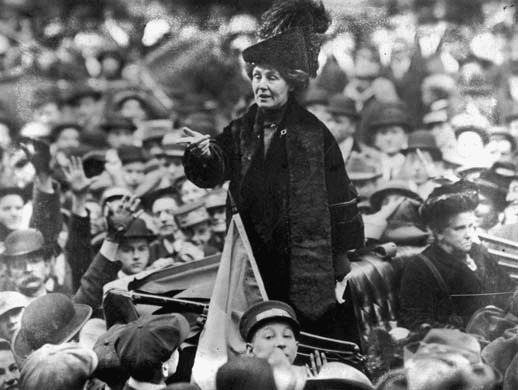
In 1887, when Dr. Sophia Jex-Blake founded the Edinburgh Medical School for Women, Eliza finally had the opportunity to pursue her long-held dream. She began her studies in medicine, and later, with the help of her father, she worked towards establishing the Edinburgh Medical College for Women under the umbrella of the Scottish Association for Women’s Medical Education.
In 1892, Eliza obtained her medical qualifications and became a licensed practitioner at three prominent and respected institutions: the Royal College of Physicians of Edinburgh, the Royal College of Surgeons of Edinburgh, and the Faculty of Physicians and Surgeons of Glasgow.
Disappointment
However, these achievements did not bring Eliza much joy. She was disappointed by the poor state of medical care, especially for women, and how the needs of female patients were often neglected. This led her to further her qualifications. She worked first at the New Hospital for Women in London, and later at a leading maternity hospital in Dublin.
As a result, Eliza earned her MBChM (Bachelor of Medicine, Bachelor of Surgery). It was symbolic that this achievement came right before Edinburgh University opened medical courses for women.
Eliza’s return to Edinburgh was also driven by the need to care for her ailing father. When he passed away on March 4, 1894, it was a great blow to her. She later confessed that she owed everything in her life to her father.
Work
Upon her return to Edinburgh, Eliza began teaching gynaecology at the Women’s Medical College. Later, she started medical practice alongside her classmate Jessie MacLaren MacGregor.
Together, they even established a maternity hospital, which they named “Hospice.”
In 1913, Eliza decided to travel to the United States to work in new-type maternity hospitals there.
Women’s Rights Advocacy
As a suffragist, Eliza’s path was shaped by her dissatisfaction with the low level of medical care available to women. This frustration eventually led her to political activism, and she joined the suffrage movement.
She became the secretary of the Edinburgh National Society for Women’s Suffrage. She had joined the organization while her father was still alive, and he supported her in this.
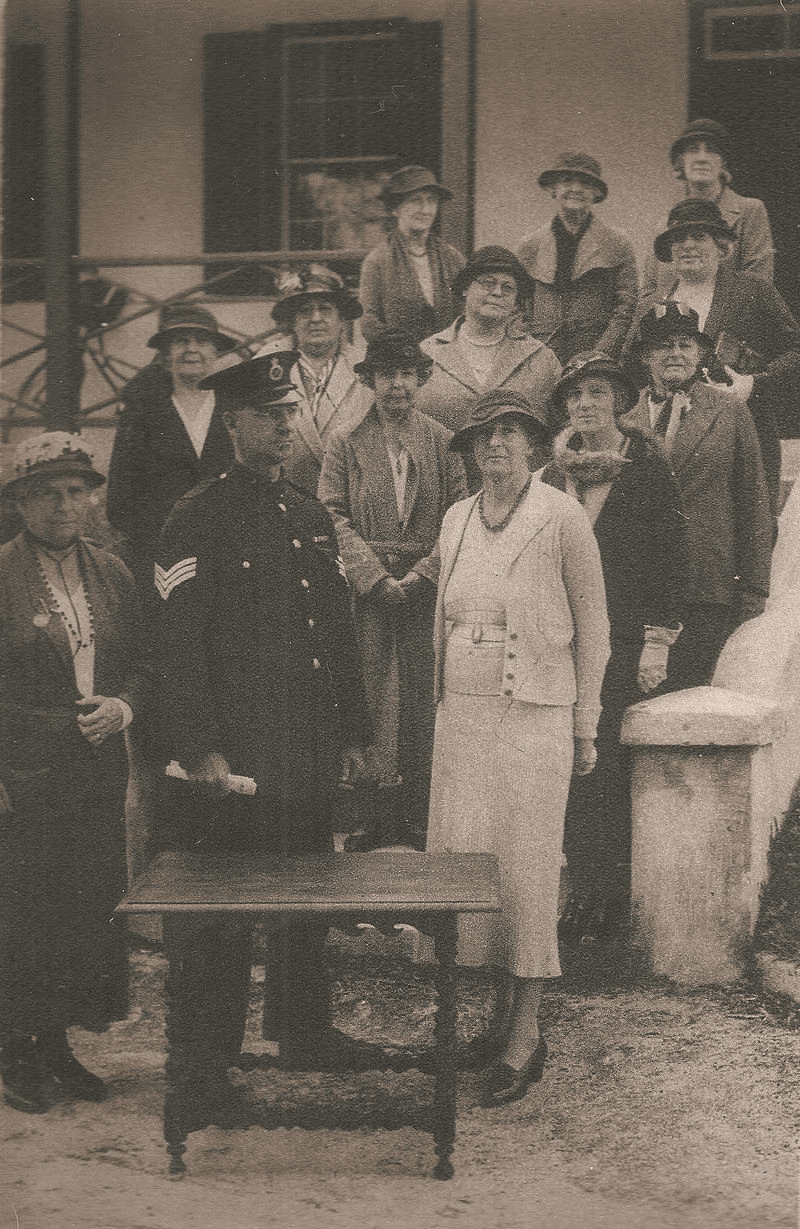
Eliza had a close working relationship with Millicent Fawcett, who led the National Union of Women’s Suffrage Societies (NUWSS). In 1906, the two women founded the Women’s Suffrage Federation, and Eliza had the honour of becoming the secretary of the organization.
Wartime
When World War I broke out, Eliza was able to demonstrate her full potential as an activist.
Despite resistance from the government, she succeeded in establishing the Scottish Women’s Hospitals (SWH) Committee. This organization, funded by the women’s suffrage movement, aimed to provide hospitals with doctors, nurses, technical staff, and transport.
To fund such a large-scale project, Eliza turned to the Scottish Red Cross for assistance, but the head of the organization refused her request.
Undeterred, Eliza used her own money to open a fund for the project. Millicent Fawcett supported her and suggested that Eliza present the initiative in London. Within a month, the fund’s budget had increased by a thousand pounds. However, the goal was fifty thousand.
Captivity
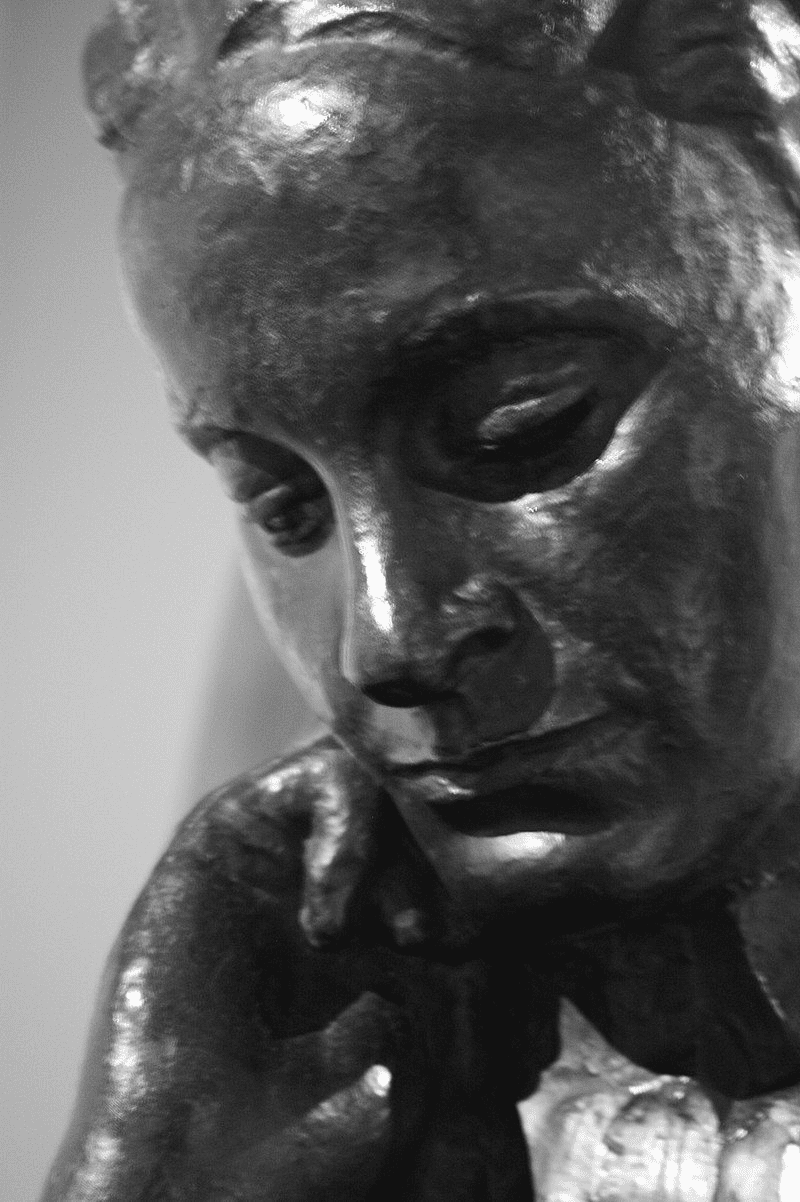
At the same time, Eliza’s organization was sending personnel to other countries.
Fourteen teams were dispatched to France, Belgium, Russia, and Serbia.
Eliza herself joined the team sent to Serbia, where she worked to improve hygiene. This effort eventually led to a decrease in the incidence of typhus.
As a result, four SWH units were established in Serbia. However, in 1915, during the occupation of the region by Austro-Hungarian and German forces, Eliza was captured.
She was not repatriated to Switzerland until 1916. But shortly after returning to Scotland, she began raising funds for a new team that would be sent to Russia. In August 1916, Eliza went to Odessa with the team.
In the chaos of retreat, they made their way to Braila on the Danube.
Once in Braila, Eliza was the only surgeon among six doctors. She had to work tirelessly to provide care to 11,000 wounded soldiers and sailors.
On her way to Renia, Eliza received the heartbreaking news that her nephew had been shot in the head. She wrote to her sister, expressing sympathy for the loss of her son. In the letter, she also noted that it was impossible to understand everything that was happening. The only thing that mattered was to keep contributing because “whatever we lose, it’s all for the rights we stand for.”
Return and Final Journey
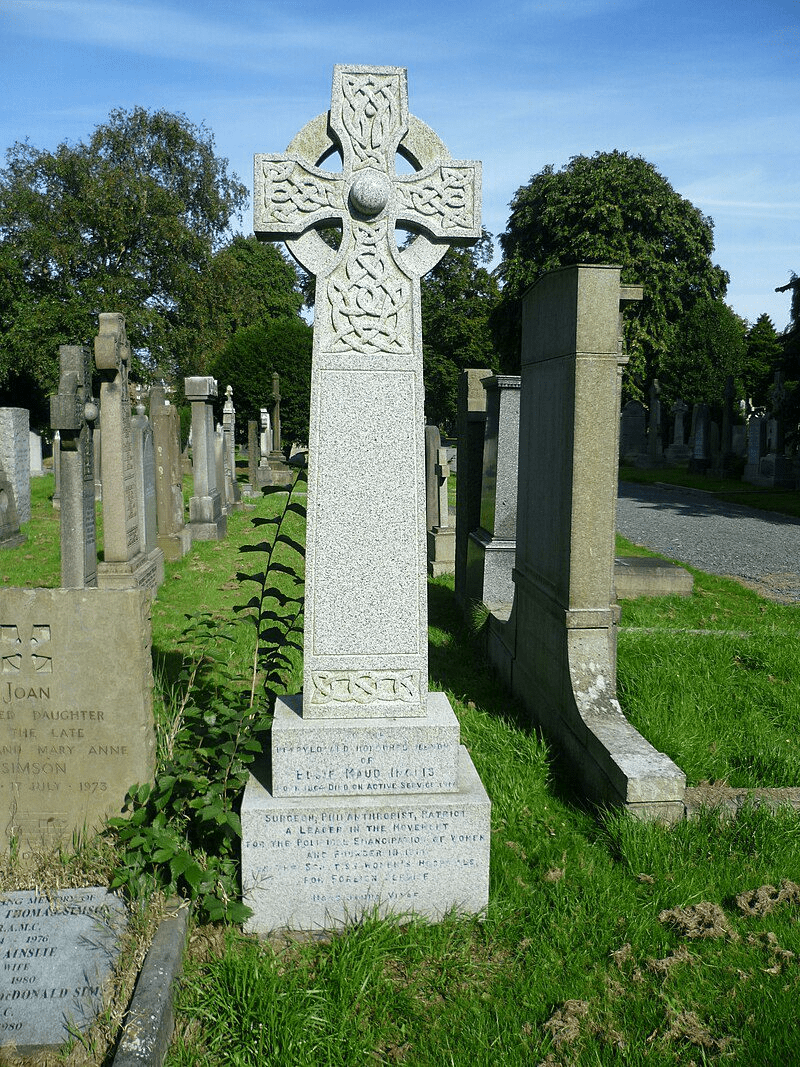
Eliza managed to stay in Russia for another summer, but her health deteriorated, and she had to return to the United Kingdom. Soon after her arrival, she passed away from colon cancer on November 26, 1917.