

Feminism is a movement that highlights the remarkable ability of women to unite for a common cause. Despite society’s general disapproval and even prohibition of such movements, women remained undeterred, courageously pursuing their goals.
Edinburghka will tell you more.
One of the main issues feminists faced was the lack of women’s suffrage. However, they united to fight against this societal stereotype, confidently standing up for their rights even in high institutions.
A perfect example of this is Jesse Crystal Macmillan. She was a well-known British politician, lawyer, and feminist. She made history as the first female graduate of the University of Edinburgh.
Macmillan was a strong advocate for women’s right to vote.
Early Years
Jesse was born on June 13, 1872. Her father was a tea merchant and worked for the famous company Elrose & Co. The family of this future activist and women’s rights defender lived in Edinburgh’s New Town.
Interestingly, in addition to Jesse, her parents raised eight sons.
After completing her preschool education, Jesse moved from Edinburgh to the east coast of Scotland. In the fall of 1892, she became one of the fortunate women to enroll at the University of Edinburgh.
Macmillan studied natural sciences, specifically mathematics, which was quite rare for women at the time, as most girls typically focused on the humanities. She also studied and became passionate about astronomy and natural philosophy.
Her academic achievements and diligent studies led to excellent results.
In April 1896, Macmillan received a bachelor’s degree in natural philosophy and mathematics.
Continuing Her Education
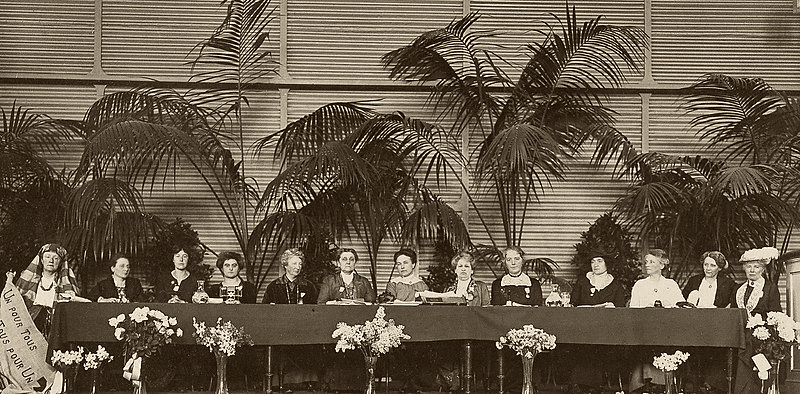
However, Jesse decided not to rest on her academic accomplishments. This led her to travel to Berlin in 1896, right after receiving her degree, to continue her university studies.
Afterward, Macmillan returned to Edinburgh.
A New Goal
Upon returning home, Jesse’s next goal was to pass an exam in Greek. This was necessary for her to enroll in the Faculty of Arts.
She succeeded in her mission and achieved her dream.
Jesse began studying social sciences, particularly politics. Her hard work, incredible determination, and natural talent led her to graduate with higher education in 1900.
It is important to note that Jesse made history as the first woman in Edinburgh to earn a first-class degree in natural philosophy and mathematics and a second-class degree in logic and philosophy.
Beginning of Her Feminist Journey
An important factor in Jesse’s development as a feminist was the Edinburgh Women’s Debating Society. This forum helped her gain confidence in debates with opponents.
Macmillan’s feminist activism began with her involvement in the Edinburgh National Society for Women’s Suffrage (ENSWS).
In 1897, when two major British societies merged to form the National Union of Women’s Suffrage Societies (NUWSS), Macmillan and Louise Stevenson joined the executive committee of this new organization.
Rejection
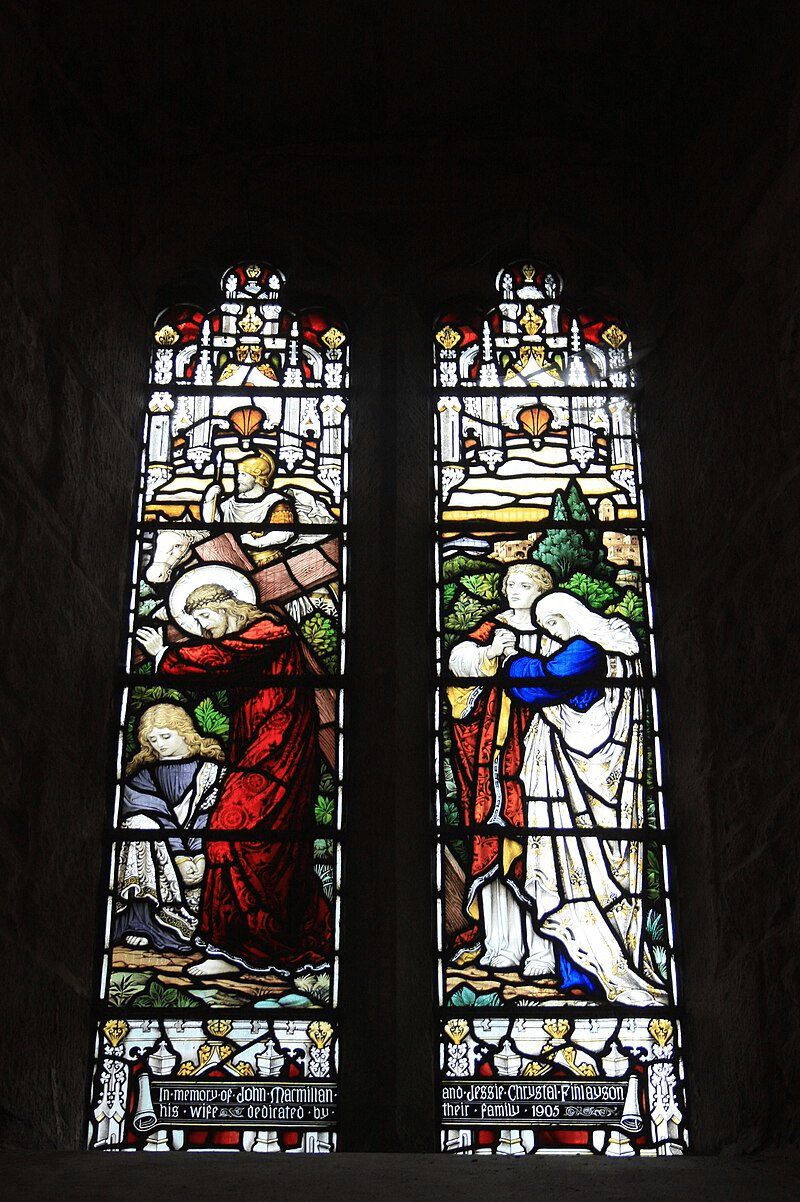
An interesting event occurred regarding Macmillan’s membership, along with four other women, in the General Council at the University of Edinburgh. In the winter of 1906, they were not allowed to participate in elections for parliamentary members who would later be candidates for positions at the university.
This situation greatly angered Macmillan, and she began expressing herself strongly, using the wording from the General Council’s charter. The document specifically stated that the participants in the voting process were “persons.” Jesse argued and insisted that she and the other women should also be considered “persons.”
Defending the Right
Later, Macmillan sought support from Elizabeth Clark Wollstonecraft-Elmy, who wrote the pamphlet The Liberation of Women.
Clark advised Jesse to consult with Charlotte Carmichael Stokes, who would help provide additional strong arguments.
In 1907, Macmillan initiated a case in the university courts. However, she was not successful. But she did not give up and decided to take her case to the House of Lords. This case required a substantial amount of money, but it was quickly raised thanks to the solidarity and support of other suffragists. Through this effort, they aimed to increase awareness in the UK about the injustice and absurdity of denying educated and capable women the right to vote.
An Important Legal Process
In the fall of 1908, Macmillan traveled to London to raise the issue of suffrage there. Her speeches in Parliament even led to a suspension of previous measures that had prevented women from appearing there. These measures had been implemented due to the first radical actions and demonstrations by suffragists.
This initiative earned Macmillan the distinction of being the first woman to speak before the lawyers of the House of Lords.
Her speech lasted nearly three-quarters of an hour. Despite being nervous, her deep interest in the matter gave her the strength to continue her presentation with dignity.
When, two days later, Macmillan had to continue defending her case before the House of Lords, she was calm, composed, and far more confident than during her first speech. Like other British and American suffragists, she focused her arguments on the terms “person” and “persons,” asserting that the ambiguity surrounding these terms in the charter was not grounds to exclude an entire gender from voting.
Loss
However, the court ruled that when it comes to certain privileges granted by the state, women should not be included under the category of “persons.” Naturally, this ruling led to Macmillan losing her case.
Nevertheless, her speech brought her immense popularity and later became a key moment in the history of feminism.
A New Phase
1911 was a memorable year for Macmillan, as she participated in the Sixth Congress of the International Woman Suffrage Alliance (IWSA). For this renowned feminist, it was an opportunity to implement a project she had been developing for some time: documenting the rules for women’s voting rights around the world. She was assisted by Maria Veron (President of the French League for Women’s Rights) and Marie Street (President of the German Union for Women’s Suffrage).
Together, they completed the writing of Women’s Suffrage in Practice, a book describing the practices of women’s voting in 35 countries.
After participating in the Seventh Congress of the IWSA, Macmillan became vice president of the organization.
Law and Involvement in Organizations
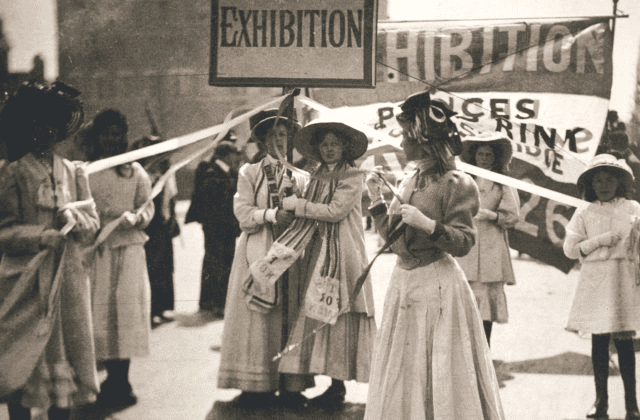
By early 1918, British women aged 30 and above were granted the right to vote and hold public office.
This event set the stage for another significant step in history—the passage of a law in 1919 that abolished gender discrimination in the professional field. This law gave women the opportunity for self-realization in the legal profession. Naturally, Macmillan took full advantage of this opportunity and began studying law.
She made her legal debut on January 28, 1924.
Interestingly, when she began to focus on law, Macmillan mostly handled criminal cases. There are no records of her civil cases.
At the same time as her legal studies, Macmillan became one of the founders of the Council for the Abolition of Legal Restrictions on Women. The main goal of this Council was to ensure equal opportunities for women in the workplace.
In 1929, another important event took place in Macmillan’s life. She became one of the co-founders of the International Organization Open Doors, dedicated to the economic emancipation of working women.
Macmillan led the organization until her death.
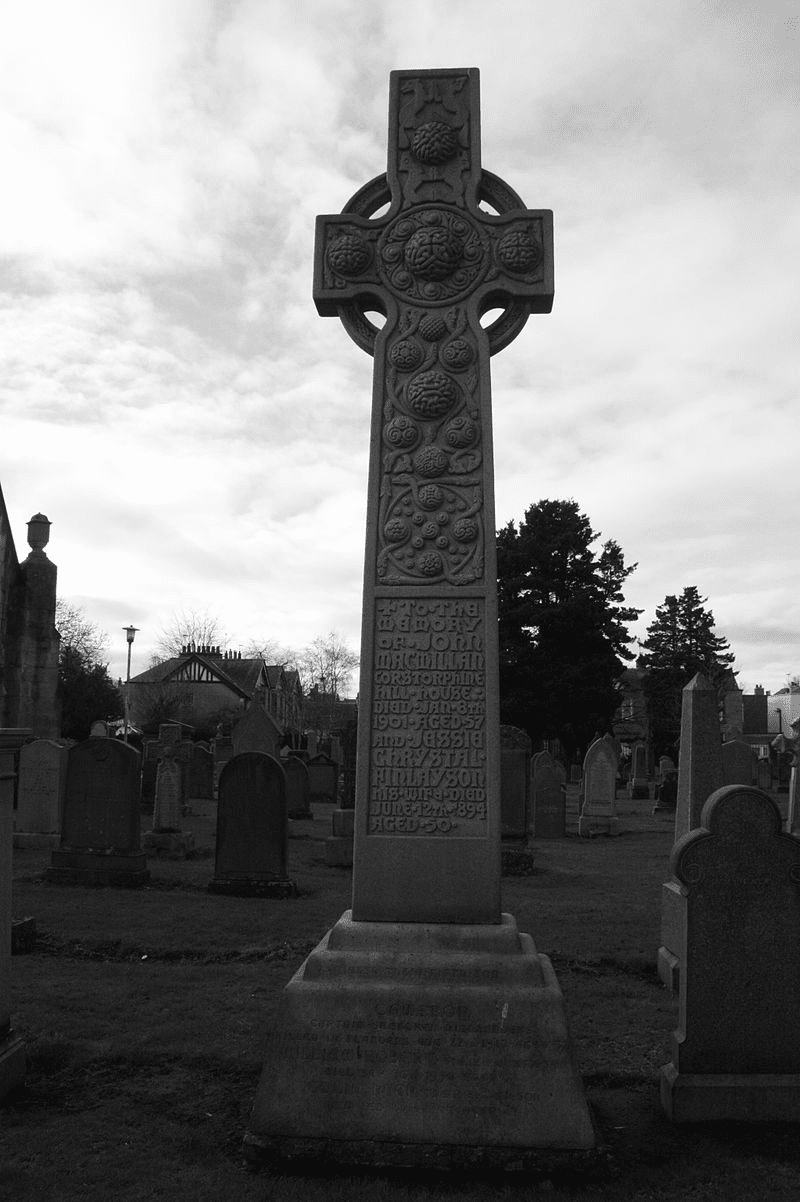
Macmillan can confidently be considered one of the most prominent feminists from Edinburgh. Her entire life was dedicated to defending women’s rights and advocating for their equality. Thanks to her perseverance and determination, she achieved remarkable results, which later had a profound impact on society as a whole. Jesse Macmillan became a shining historical figure and an example of unwavering determination in the pursuit of one’s goals.