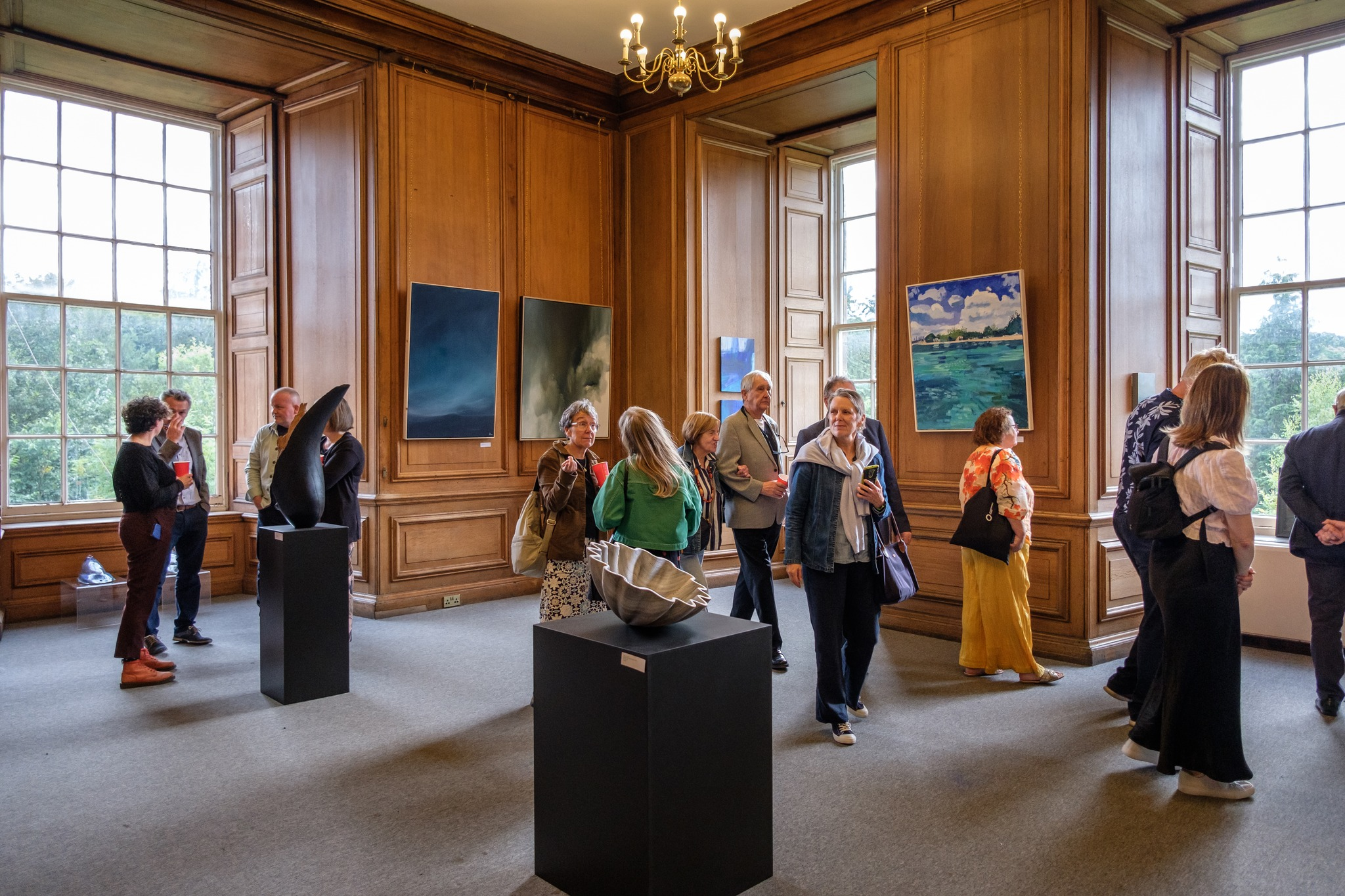

Visual Arts Scotland (VAS) stands as one of the country’s leading arts organisations, connecting contemporary artists, designers, and makers on both a national and international scale. Born from a direct challenge to the systemic exclusion of women from major art institutions, VAS has evolved into a vibrant, multidisciplinary platform that champions creators at every stage of their journey. Read more on edinburghka.
The Birth and Evolution of Visual Arts Scotland
In 1924, the Scottish Society of Women Artists (SSWA) was established in Edinburgh as a bold response to the deep-seated inequality within the Scottish art world. The driving force was philanthropist William McDougall. He was spurred into action after his daughter, Lily McDougall—a highly talented painter—was barred from prestigious, male-only institutions like the Royal Scottish Academy (RSA) despite her professional standing. From its very first annual exhibitions in the capital, the society showcased a diverse range of disciplines. It featured everything from painting and printmaking to applied arts—the latter of which was rarely afforded equal status in the artistic hierarchies of the time.
By the 1980s, the SSWA began to push its own boundaries, embracing a broader definition of “art.” The focus shifted towards craft, design, and applied disciplines, reflecting a changing cultural landscape in Scotland that was beginning to value multidisciplinary approaches. A pivotal moment arrived in 1990 when the society opened its doors to men for the first time and rebranded as Scottish Artists & Artist Craftsmen.
The organisation’s identity was further refined in 1999 when it became Visual Arts Scotland. This new title reflected its ambitious scope: to unite fine art, contemporary craft, and experimental practices under one roof. Throughout the 2000s, VAS cemented its reputation as a vital player on the cultural map, accessible to both local talent and international artists. The cornerstone of its calendar became the Annual Open Exhibition, a space where members and independent artists alike could showcase new, previously unseen work, fostering a unique dialogue between the public and creators at various career levels.
The 2010s marked a period of significant growth, with membership surging to over 1,200 active artists. This wasn’t just a numbers game; it was a qualitative shift. VAS moved away from rigid genre silos, instead backing practices that blurred the lines between media, materials, and concepts. During this era, the organisation also built a formidable digital presence. With a community of thousands online, social media became a secondary gallery space, allowing art to transcend the physical walls of the exhibition hall. This modern era was steered by the dedicated leadership of VAS President Tavienne Bridgewater and Chair Kam Chan.
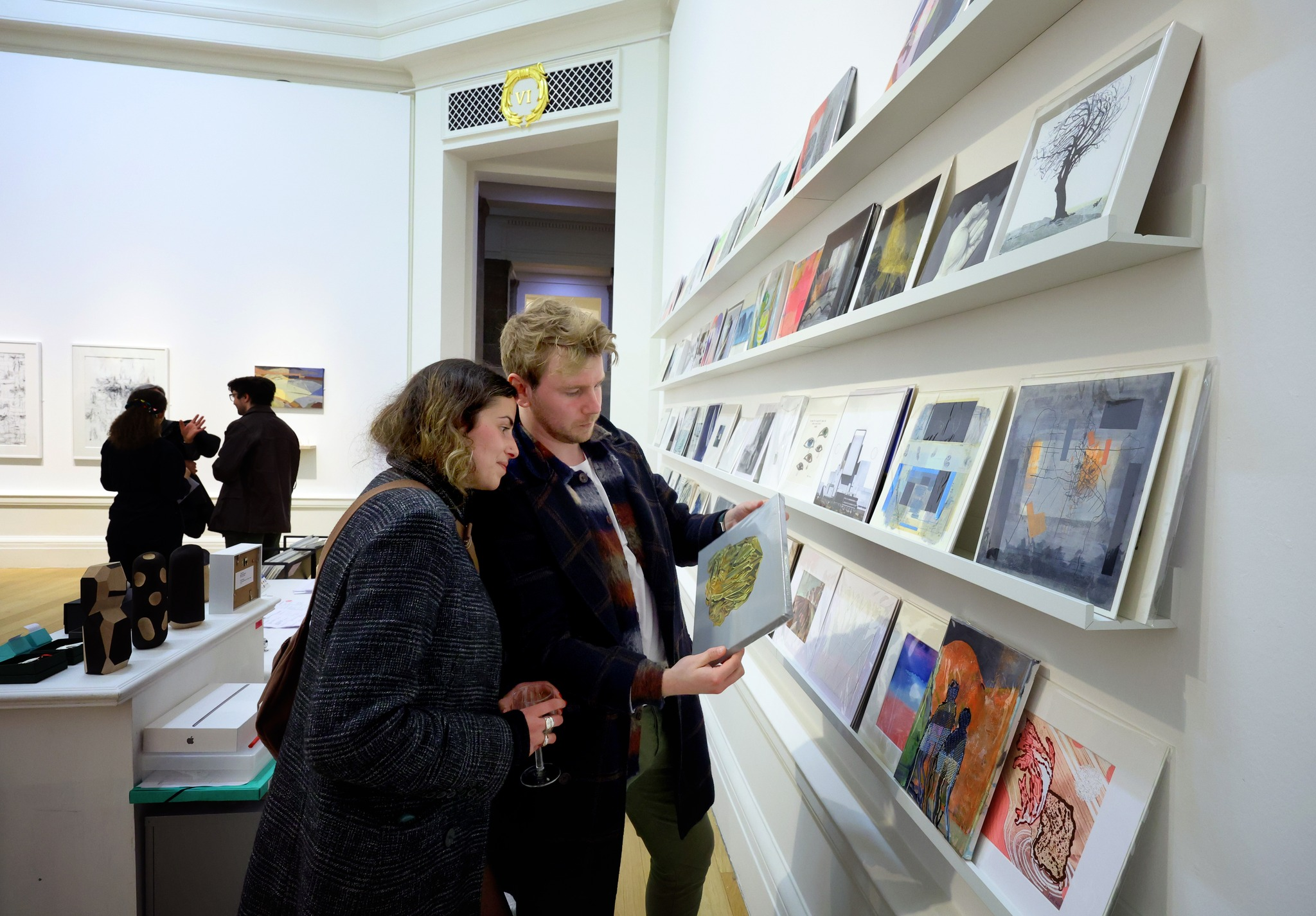
The natural climax of this century-long journey was the 2024 Centenary. A flagship Centenary Show at the Royal Scottish Academy’s Upper Galleries in Edinburgh symbolised a full-circle moment. The venue was deeply significant; the society’s very first meeting in 1924 took place just a stone’s throw from the RSA building. Curated via an international open call, the exhibition spanned an extraordinary range of media—from printmaking and photography to moving images, performance, and jewellery. It was a clear statement that VAS had become a platform without borders, open to fresh voices and established practitioners alike.
Legacy and Impact
Visual Arts Scotland holds a unique place in Scottish art history, primarily for its pioneering work in empowering women. It provided a vital stage for exhibitions, professional growth, and solidarity at a time when academic recognition was largely a closed door. That early spirit of advocacy became the foundation for a much broader inclusive mission. Today, VAS continues to champion the makers, designers, and applied artists who might otherwise sit outside traditional artistic hierarchies, ensuring that the future of Scottish art remains as diverse as its history.