

Euphemia Bridges Bowes made her mark in history as a renowned suffragist and social activist. She was a strong supporter of the temperance movement and promoted the idea of raising the age of sexual consent.
Edinburghka will tell you more.
However, there was one aspect of Bowes’ activism that played a crucial role in shaping her views. She considered child prostitution one of the most pressing issues of her time and fought vigorously against it.
Early Years
The future suffragist was born in Edinburgh in 1816. For a girl of that era, she had a relatively high level of education. She was well-read and able to write. These skills eventually led to her being chosen to participate in the Bounty Immigrants Scheme, an initiative that sent immigrants to Australia.
The trip to Australia was subsidized by colonists, who selected immigrants for work opportunities.
On December 6, 1838, Euphemia arrived in Australia, where she quickly began working as a domestic servant.
Marriage
Fate had it that Euphemia didn’t stay single for long after her move. On September 13, 1842, she married John Bowes, a baker and Methodist preacher.
In 1848, the family moved to Wollongong after John was accepted as a Methodist minister there.
The Bowes family had eleven children, but only eight of them lived to adulthood. The family’s frequent relocations, due to John’s ministry, made moving a common part of their lives.
Beginning of the Journey
Euphemia’s activism likely began when she joined the Women’s Christian Temperance Union, an organization founded in 1882, which also started advocating for women’s suffrage in Australia.
Her involvement in the Union was so significant that by 1885, she became its president, a position she held until 1892. However, Euphemia continued her active participation in the organization for the rest of her life.
Advantage
One of Euphemia’s great strengths was her powerful oratory skills. She believed that granting women the right to vote would be an excellent way to control the sale and consumption of alcohol, an idea she frequently championed in her speeches.
Fighting Alcohol
Euphemia was also a key figure in establishing new regional temperance unions in various rural districts.
She supported measures aimed at reducing alcohol consumption in the colony and was one of the key initiators of stricter regulations for issuing alcohol licenses. She also actively backed the idea of limiting the sale of alcohol on Sundays.
Setbacks
However, not all of Euphemia’s ideas came to fruition. One of her setbacks was her failed attempt to ban women from working as barmaids. However, in 1892, she succeeded in establishing a shelter for intoxicated women.
Important Committee
In 1886, Euphemia became one of the five women who founded the Women’s Committee for Social Purity in New South Wales.
One of the committee’s main goals was to promote moral values in the colony. Through their efforts, the committee succeeded in getting legislation passed that improved women’s rights.
Other Aspects of Her Activism
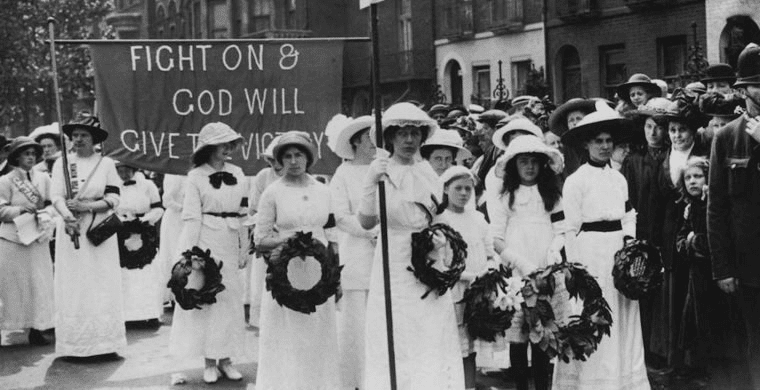
Euphemia also focused on the age of sexual consent. She was able to raise the age of consent from fourteen to eighteen years.
Additionally, she worked on issues related to brothels and child prostitution. She actively campaigned to eradicate both, implementing various measures to address these issues.
Final Years
After her husband, John, passed away in 1891, Euphemia continued his legacy by taking the helm of the women’s college he had founded in Marrickville.
Euphemia passed away on November 12, 1900, and was laid to rest at Rookwood Cemetery.
Photo: homsk.com, naukozavr.info