

Mental health is a crucial part of any person’s overall well-being. It often turns out that it is precisely our psychological problems that can spoil our lives and, of course, cause a host of inconveniences. Depression, fears, insecurities, and panic attacks are just a small fraction of what anyone can face. Unfortunately, the modern pace of life dictates too many conditions and sets rather rigid boundaries. As a result, people’s minds cannot always cope. And when hereditary factors also come into play, the consequences can be truly bleak. More at edinburghka.
However, to prevent disaster, people who are attentive to themselves and their health seek medical help at the first sign of trouble. From what has been said, it is easy to guess that we are talking about psychiatrists. These specialists are true guides to the world of thoughts, feelings, and perceptions.
It is important to note that psychiatrists have been highly sought after in all eras. This is because every age leaves its own imprint on humanity. People are left to learn how to adapt and strive to find that coveted balance.
Among Scotland’s most influential doctors in the field of psychiatry, Sir John Batty Tuke undoubtedly stands out.
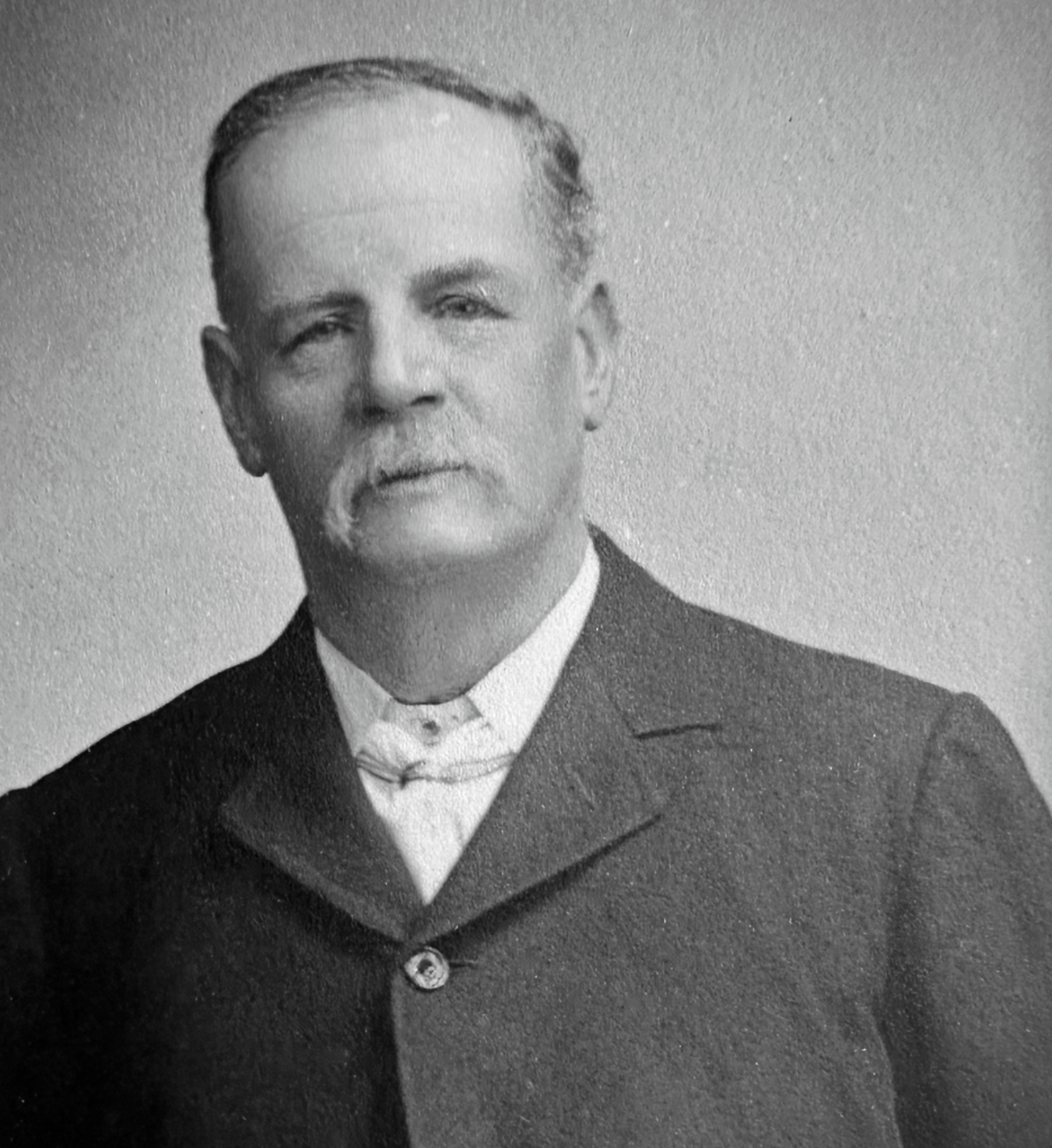
Education and Early Practice
John was born on 9 January 1835 in Beverley, England.
In 1845, the boy was sent to Edinburgh for his education, where he enrolled at The Edinburgh Academy.
It must be said that Tuke’s academic success was brilliant. In 1851, the young man graduated from the academy with distinction.
The next stage began: studying medicine at the University of Edinburgh. In 1856, John successfully defended his thesis and was subsequently admitted to The Royal College of Surgeons of Edinburgh.
Almost immediately after qualifying, the young doctor left for New Zealand to work as a surgeon. During this time, Tuke became a direct participant and witness to the events of the New Zealand Wars.
In a Leadership Role
John returned to Edinburgh in 1863. Upon his return, he was appointed assistant physician at The Royal Edinburgh Hospital (formerly The Royal Edinburgh Asylum). He began to study post-natal psychiatric disorders in detail and wrote several fascinating articles on the subject.
However, the best confirmation of Tuke’s reputation and experience was his appointment as superintendent of Stratheden Hospital (formerly the Fife & Kinross District Asylum). Within this institution, John was given the authority to build his own staff and select the best specialists. In his new role, he also began to implement an “open-door” model for patient treatment. This decision earned him great acclaim among his colleagues.
Furthermore, in his articles, Tuke began to actively promote ideas related to developing humane treatment for patients.
Criticism of Traditional Practice
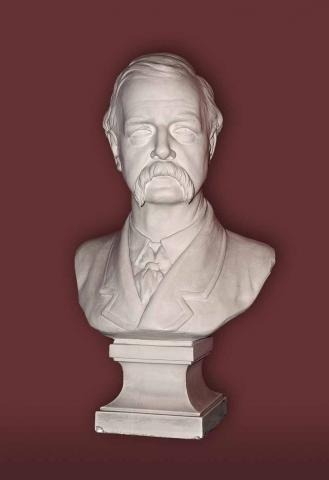
Overall, it is fair to say that John’s career was on a very successful path. In addition to the aforementioned hospital, he also held a leadership position at The Royal College of Physicians of Edinburgh. It was likely, in part due to this high standing, that John felt able to criticise the traditional Scottish practice of caring for severely ill patients.
A Career in Lecturing
The year 1873 brought new changes for Tuke. Firstly, he returned to Edinburgh once again. Secondly, he took on a management role at the private Saughton Hall Asylum, although he shared this post with two colleagues.
John also began a private practice, establishing himself as a specialist in mental diseases. The year 1873 also gave Tuke the opportunity to start a lecturing career. He was first appointed as a lecturer at The Royal College of Physicians of Edinburgh, and later at the University of Edinburgh.
Lectures for the People
It is important to note that John had a talent for communicating complex subjects in an accessible way, even to people far removed from science. In the winter of 1881-1882, he even gave “popular lectures.” These were primarily dedicated to the brain and its functions. During these sessions, Tuke was able to clearly and thoroughly explain the basics of brain function to the public.
The Culmination of the Respected Doctor’s Scientific Views
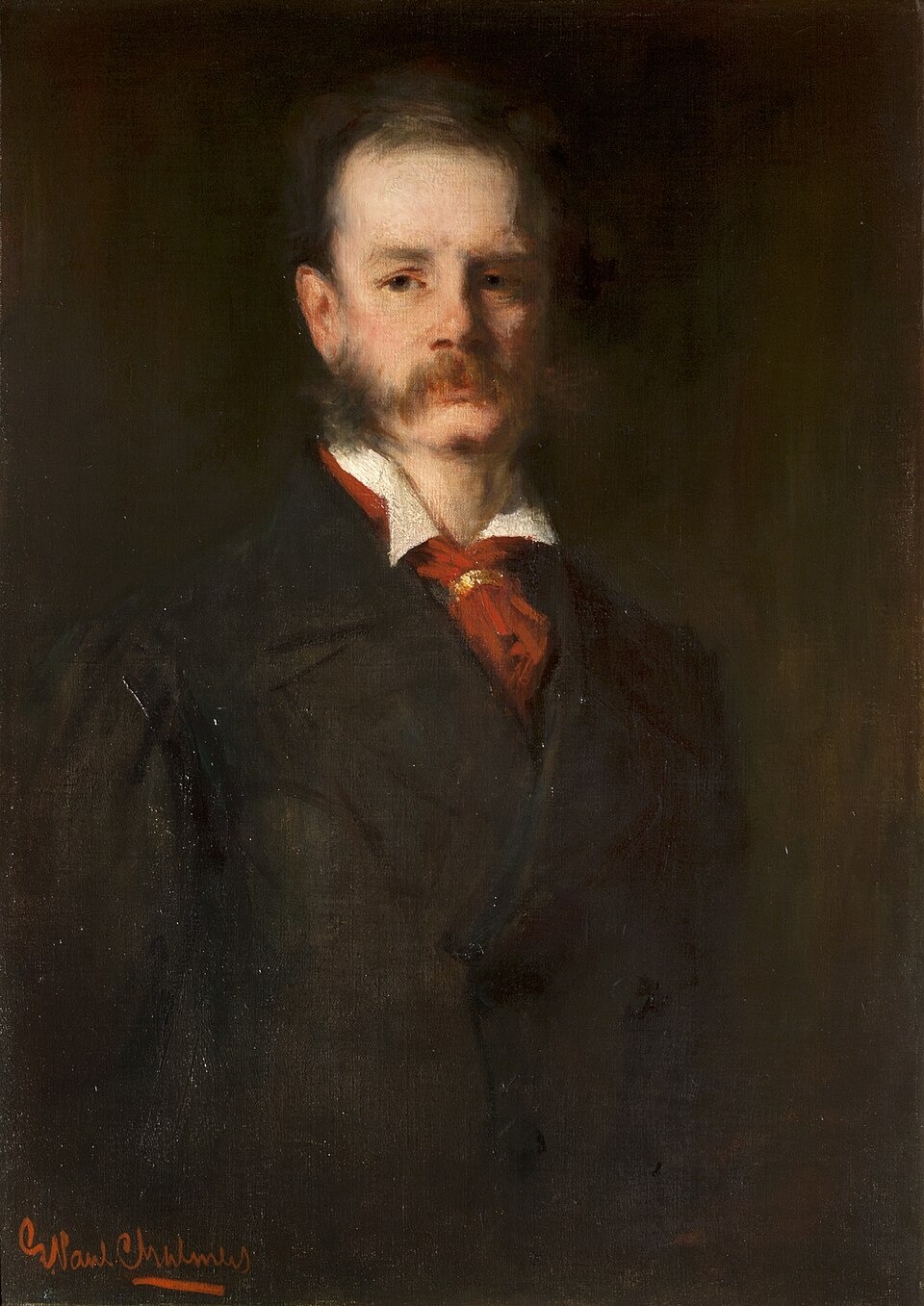
In 1894, Tuke once again became a lecturer at The Royal College of Physicians of Edinburgh. For them, the doctor chose the topic of insanity caused by over-exertion of the brain. This lecture series essentially became the culmination of John’s theory that physical ailments were the root cause of mental problems.
He believed that society and specialists alike had been limited for many years by the Hippocratic classifications of insanity. These, however, were exclusively psychological in nature. This, he argued, led to an ignorance of brain physiology, anatomy, and pathology, and an excessive focus on behavioural symptoms.
Furthermore, Tuke condemned and did not support the perceived need to protect the public from the insane. He criticised the idea that insanity was a “perversion of the intellect.” The doctor believed that the combination of all these elements had created the concept of insanity as a “disease of the mind.”
A New Approach to Treatment
Tuke’s perspective on the dynamics of delusion was equally interesting. In his opinion, this area required a focus on studying the over-exertion, under-functioning, or defects of cells. Treatment, he argued, should be based on rest and nutrition. In other words, John rejected the attribution of inferiority and moral weakness to the mentally ill.
He believed such ideas slowed down treatment and failed to demonstrate the structural changes in the cortical tissue.
It was Tuke who began to propose the study of mental illness through brain anatomy. He urged his colleagues to view patients first as invalids, and only then as mentally ill.
Respect and High Recognition
All of Tuke’s views, ideas, and opinions spread quickly, not only in the lecture hall but also in respected publications in Edinburgh and London.
His contemporaries respected their colleague, believing he was making a significant contribution to the little-known field connecting brain anatomy and mental disorders.
In 1895, John Tuke became the head of The Royal College of Physicians of Edinburgh, which served as further high recognition of his professionalism.
The doctor’s psychiatric career concluded with his election to Parliament for the Edinburgh and St Andrews Universities constituency. John held this position for 10 years.
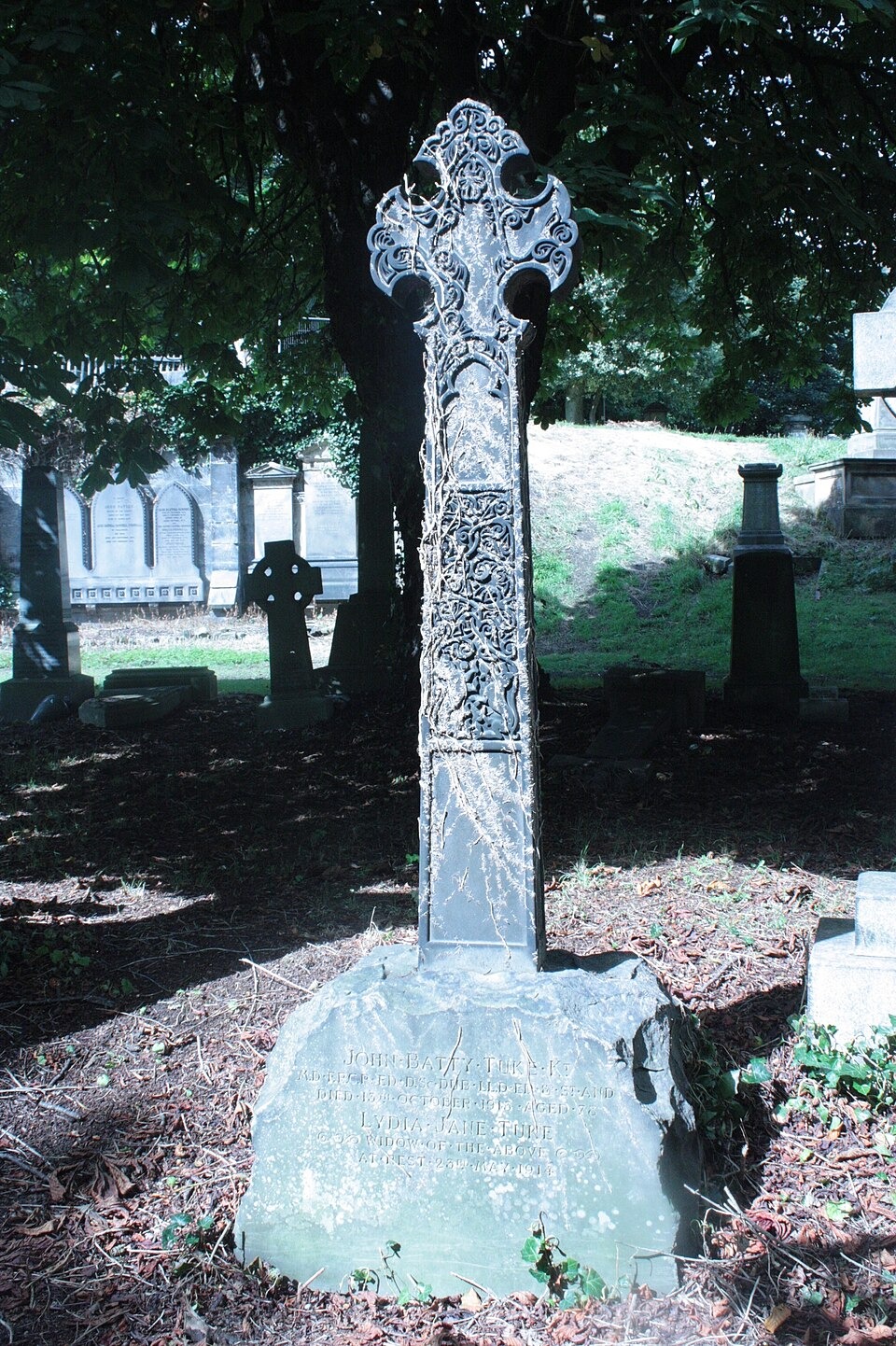
Thus, John Tuke became one of Scotland’s most famous and talented psychiatrists. His ideas played a key role in the development of medicine. His ability to convey complex subjects competently and accessibly made him a unique lecturer, a role in which he was highly popular not only within the scientific community but also among ordinary citizens.
Tuke’s life came to an end on 13 October 1913 in Edinburgh. The famous psychiatrist’s death was reported in well-known medical journals and even in The Scotsman newspaper. His passing was, without doubt, a huge loss to society.
Although many years have passed since then, the memory of the talented doctor lives on. The results of his work continue to bear fruit in the study and treatment of people who have had to face the phenomenon of mental disorders.