

Psychiatry is the science that seems to understand everything about the human mind. Specialists in this field help patients navigate the deepest, hidden workings of their brains. Often, individuals have no idea what their brain is capable of; they only experience the vivid (and frequently distressing) consequences. More at edinburghka.
In other words, psychiatrists have always been in high demand. Every era gives humanity new reasons to worry, fear, and doubt. It’s no secret that some problems are characteristic of a particular time; they become, in a sense, a hallmark of that age.
When it comes to Scotland, one of its most famous psychiatrists was undoubtedly Ronald David Laing. Throughout his career, he studied many mental illnesses, but he dedicated significant attention to psychosis and schizophrenia in particular.
Early years
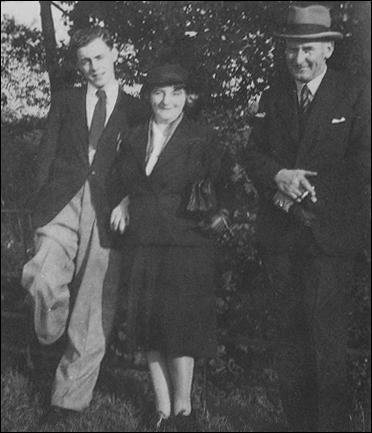
Ronald was born on 7 October 1927. Interestingly, he later provided a sharp, professional assessment of his own parents.
Laing described his parents (particularly his mother) as asocial. They also demanded great achievements from their son.
As for Ronald himself, he was a bright and gifted boy during his school years. He excelled in classical studies, particularly philosophy, and as a result, he was a frequent visitor to local libraries.
Surprisingly, his slight build did not prevent the young Laing from competing in long-distance running. He also showed considerable talent in music.
In other words, he was growing into a well-rounded individual with a rather resilient character.
An Unfortunate Incident and a Hard-Won Qualification
Ronald began studying medicine at the University of Glasgow. However, fate played a cruel trick on him. While under the influence of alcohol at a university event, Laing made some excessively sharp remarks about his lecturers. Unsurprisingly, he failed his subsequent exams.
It was only after working for six months in a psychiatric unit that he was able to resit his exams. This was in 1951, when Ronald finally qualified as a doctor.
First steps in practice
An integral part of Ronald’s early career was his work as a psychiatrist in the British Army, stationed at The Royal Victoria Hospital. He later recalled that some of his patients attempted to feign schizophrenia in order to receive a lifelong pension.
In 1956, Laing had the opportunity to train at The Tavistock and Portman NHS Foundation Trust. This London institution was widely known as a centre for the detailed study of psychotherapy. Laing ultimately remained at the clinic until 1964.
Important projects
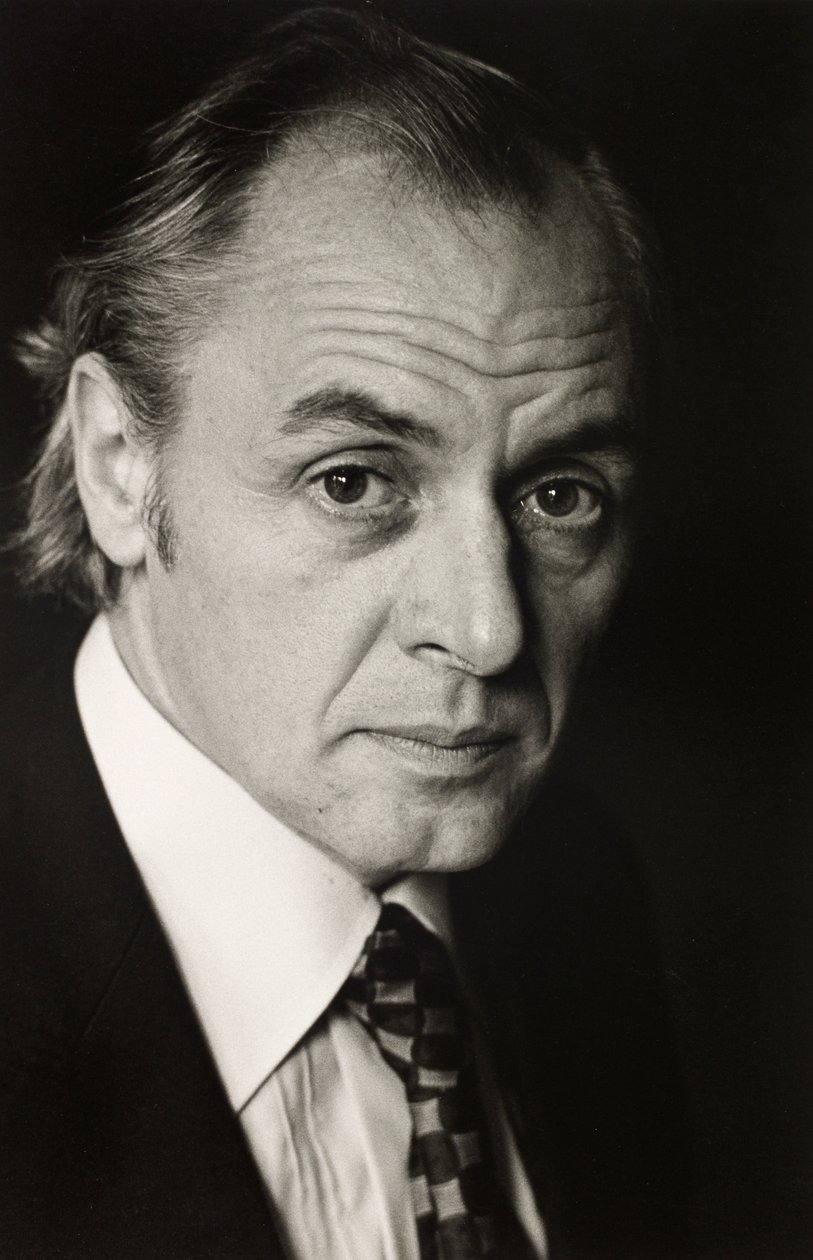
1965 was a significant year in Ronald’s career, as he and his colleagues founded The Philadelphia Association. A new psychiatric community project was also launched at Kingsley Hall, which was unique in that the doctors lived alongside the patients.
An influential figure
It is important to note that Laing advocated for the legalisation of cannabis, an opinion he expressed live on television in 1967.
Interestingly, Ronald was also considered a key figure in the anti-psychiatry movement. However, the doctor himself never denied the importance and value of treating mental disorders.
Views on diagnosis
One of Laing’s most interesting assertions was his questioning of psychiatric diagnosis itself. He argued that the method for diagnosing mental disorders contradicted standard medical procedure. Diagnoses, he pointed out, are typically based on behaviour or examination results. However, the auxiliary tests that should precede a diagnosis of a real pathological condition are often only performed after the diagnosis has already been made. Laing therefore believed that psychiatry rested on a flawed epistemology: diseases were diagnosed by behaviour, but treated biologically.
The doctor’s other scientific views
Ronald held an equally interesting viewpoint on schizophrenia. He asserted that the condition was “a theory, not a fact.” In his view, leading medical geneticists did not accept the models of genetically inherited schizophrenia that were being promoted by biologically-oriented psychiatry. Laing himself completely rejected the medical model of mental illness, believing the diagnostic process did not align with traditional medical standards. All of this, he argued, cast doubt on the appropriateness of using neuroleptics in psychiatry.
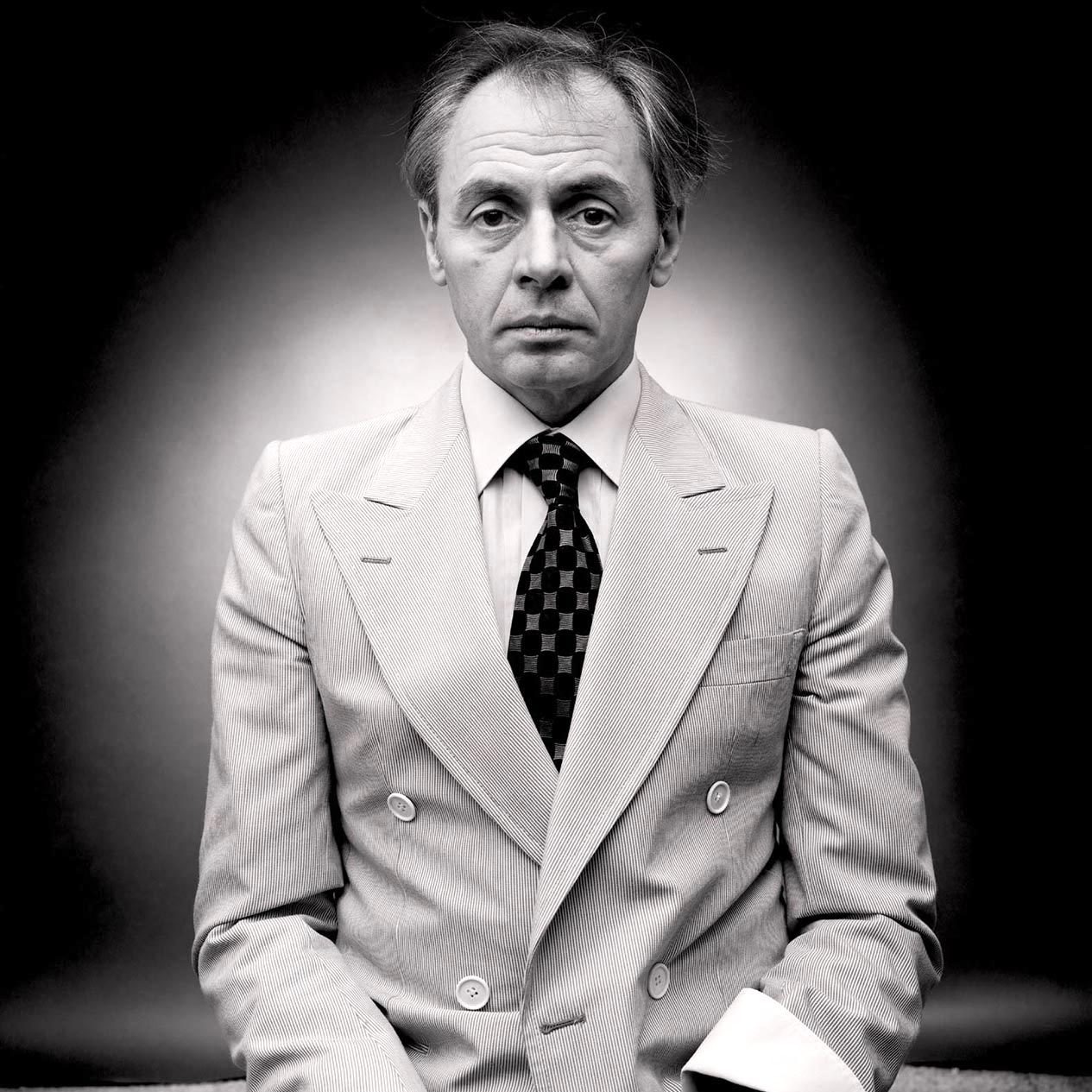
Ronald David Laing stands as one of Scotland’s most renowned psychiatrists. He held interesting opinions regarding many psychiatric illnesses, and his viewpoint was certainly listened to. Laing was invited on television, and the scientific community eagerly studied their colleague’s new ideas. Public recognition, as is well known, is the best proof of talent and, of course, of the value of any public figure’s stance.