

Edinburgh can be called a city of multifaceted individuals. The people born there are distinguished by such a range of abilities that one gets the impression this place is a true cradle of talent. Find out more at edinburghka.
Interestingly, its women stand out in particular. These seemingly delicate creatures have managed to conquer the world and achieve incredible heights in various fields. Thanks to their unique character, the ladies of Edinburgh have easily mastered the most important disciplines, playing a significant role in the development of humanity.
Jessie Cunningham Methven can rightly be counted among the most famous women of Edinburgh. All her efforts were aimed at improving society—specifically, at ensuring women felt as free and confident as possible.
However, Jessie’s own life is distinguished by many surprising facts, which together made her destiny interesting, vibrant, and rich.
Early Years
From childhood, Jessie was very close to her family. In particular, she had an excellent relationship with her brother Henry, as well as her sisters Minnie and Helen. Their bond was so strong that, even as adults, they all lived together in the same house.
As for the field in which Methven was able to fully realise her potential, it was undoubtedly the promotion of women’s suffrage. To raise awareness of this issue, Jessie organised petitions, approached local authorities, wrote to newspapers, and took part in peaceful demonstrations.
A Leading Role in the Suffrage Movement
However, Jessie’s career reached a new height in 1895 when she became a member of the executive committee of the Edinburgh National Society for Women’s Suffrage. Later, she would hold the position of honorary secretary for the organisation.
During her time with the society, Methven had the good fortune to collaborate with many famous figures who were directly involved in the advancement of women’s suffrage.
Notably, this included Priscilla Bright McLaren, with whom Jessie worked closely until 1906.
A New Stage
When the Edinburgh National Society for Women’s Suffrage joined the National Union of Women’s Suffrage Societies (NUWSS) in 1897, Jessie was able to step onto a new level. She became the official representative of the Edinburgh Society on the NUWSS parliamentary committee.
An All-Consuming Cause
It should be noted that Jessie gave her all to her work. It would be fair to say that she lived and breathed the cause of promoting women’s right to vote.
She later joined a special appeals committee of the Edinburgh Society, which was involved in preparing a petition for women’s suffrage. This petition was intended to be part of a bill on parliamentary voting rights.
In the end, it gathered nearly 257,800 signatures. However, this did not prompt the House of Commons to debate the bill. Undeterred, Methven decided to “take the press by storm.” She clearly understood the importance and effectiveness of publicising an issue. For this reason, Jessie constantly corresponded with national and local newspapers, urging them to feature the role and significance of women’s suffrage.
However, when speaking of Methven’s relationship with the press, it is important to note that the activist’s own name could often be found in the pages of the most famous publications.
In 1901, for instance, Scottish newspapers brought to their readers’ attention a circular letter signed by Methven and Mrs McLaren. In this paper, the women expressed their sincere disappointment at how indifferent the political parties were to the issue of women’s suffrage.
Furthermore, the activists shared their theory about the Scottish Liberals, suggesting they were simply afraid that women would end up voting Tory.
Disillusionment
From all of the above, it is not difficult to guess that Methven presented herself as a true “constitutional suffragist.” But the fact that the main issue she fought so hard for—women’s right to vote—was making almost no progress eventually brought her profound disillusionment.
From Protest to Prison
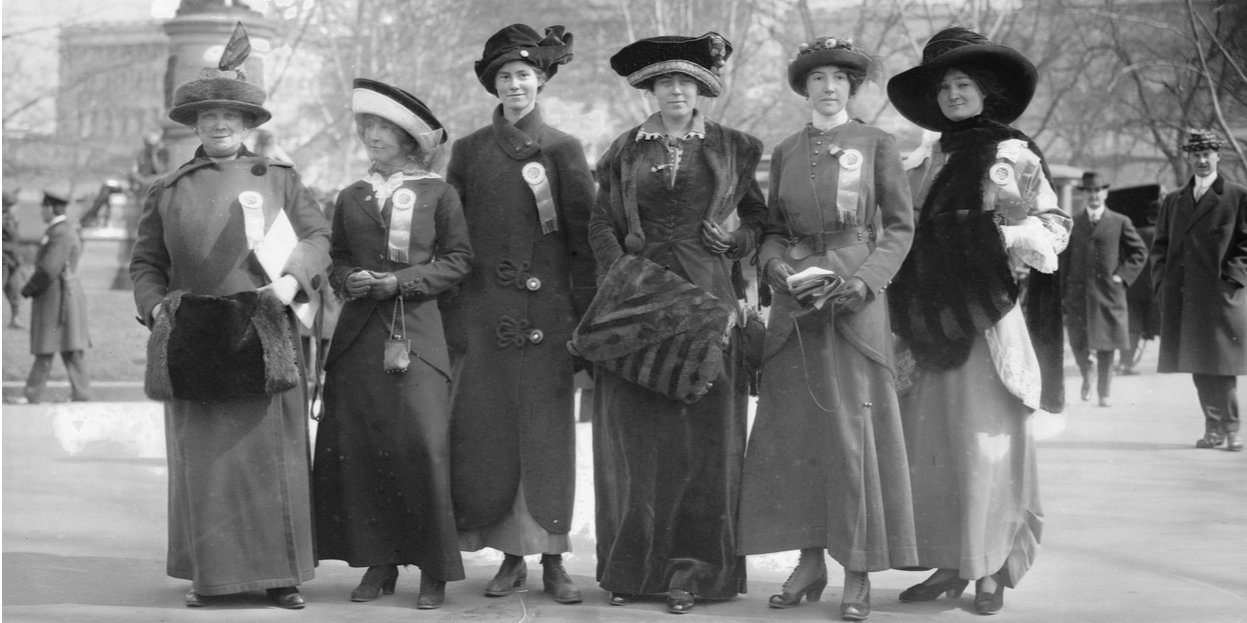
After the death of Priscilla Bright McLaren in November 1906, Jessie, along with other representatives of the Edinburgh Society, joined the Edinburgh branch of the Women’s Social and Political Union (WSPU).
Methven later explained this step was necessary to participate in a joint demonstration.
As a result, on 21 November 1911, Jessie became one of 223 protesters who were arrested during a demonstration at the House of Commons.
It should be noted that she travelled there with five other activists from Edinburgh.
As for Methven herself, following the “event,” she was accused of breaking windows at the Foreign Office. For these unlawful actions, Jessie received a sentence of 10 days’ imprisonment and a fine.
The Fight Continues
However, it is important to note that this rather unpleasant outcome did not extinguish her desire to fight on.
She continued her activism. In particular, Jessie did not abandon her main “method”—using the press to draw attention to the issue of women’s suffrage.
January 1913 saw the publication of one of Methven’s most famous articles in the newspaper *The Suffragette*. The piece had a rather provocative title: “Women’s Suffrage in the Past, A Record of Betrayal.” In it, Jessie told readers the history of how the “women’s suffrage movement” emerged and developed, and how she herself had lost faith in constitutional methods.
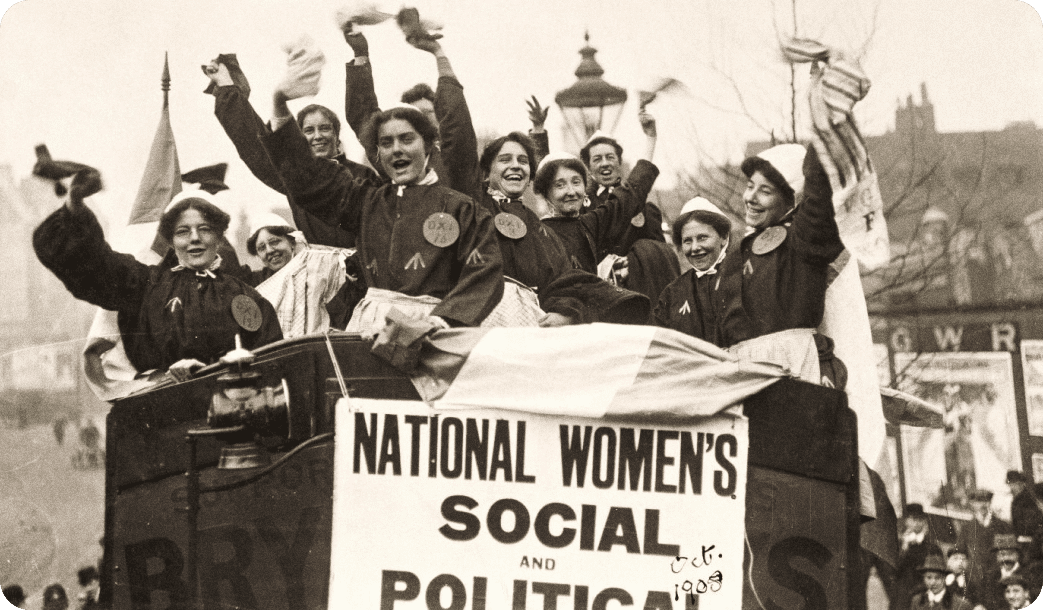
Jessie Methven’s earthly journey came to an end on 15 February 1917. But this woman managed to become a true force whose legacy is a valuable part of the history of suffragism.
Studying the biographies of many famous people, one can notice that fate often plays cruel or harsh jokes on them. In this respect, Jessie was no exception. Just a year after her death, Parliament passed the Representation of the People Act 1918. This act granted the right to vote to women over the age of 30 who were registered property owners.
What an irony of fate. It was for the advancement of women’s suffrage that Methven fought so persistently for almost her entire life, yet her dream was only realised after her death.
Although, as life shows, this happens to many great figures, with success and fame often arriving only posthumously. Perhaps this is a kind of “price” for talent. Or maybe the universe simply knows best when and where to apply the results of a gifted person’s work.
In Jessie’s case, it is worth noting that even though it was after her death, her main goal was achieved. And that means it was most certainly not in vain.
Sources:
- https://books.google.com.ua/books?id=ygXwlK_mj50C&pg=PA407&lpg=PA407&dq=Jessie+Methven+suffragette&source=bl&ots=MAXHsKuKVv&sig=ACfU3U2Fcutfn8iFx1Er4bGeDsKl4KCP9Q&hl=ru&sa=X&ved=2ahUKEwihm531q8KHAxVWExAIHWlgHGIQ6AF6BAgfEAI#v=onepage&q=Jessie%20Methven%20suffragette&f=false
- https://kids.kiddle.co/Jessie_C._Methven
- https://wealothianwomensforum.org.uk/ScottishSuffragists/priscilamcl.html