

It is hard to disagree that women have always played a vital role in Edinburgh’s history. In fact, they can fairly be called true drivers of progress. Delving into the past reveals that many women were active in science, the arts, and other fields that contributed to the city’s development. More on edinburghka.
Heroines Who Led the Way
Moreover, it was in the Scottish capital that women quickly realised they deserved more. This was during a time when education, access to certain professions, and a range of other privileges were forbidden to them.
True heroines began to emerge, who not only fought against this injustice themselves but also communicated the dire nature of the situation to other women. In doing so, they encouraged them not to be afraid, but to join forces in defending their rights and interests.
Societies Synonymous with Female Solidarity
It is no surprise, then, that special organisations began to appear in Edinburgh where women could listen to one another, offer support, and, of course, advance their shared ideas.
These societies are of considerable interest, not just from the perspective of female resilience and solidarity. From a historical standpoint, these organisations are also incredibly fascinating.
Women Against Slavery
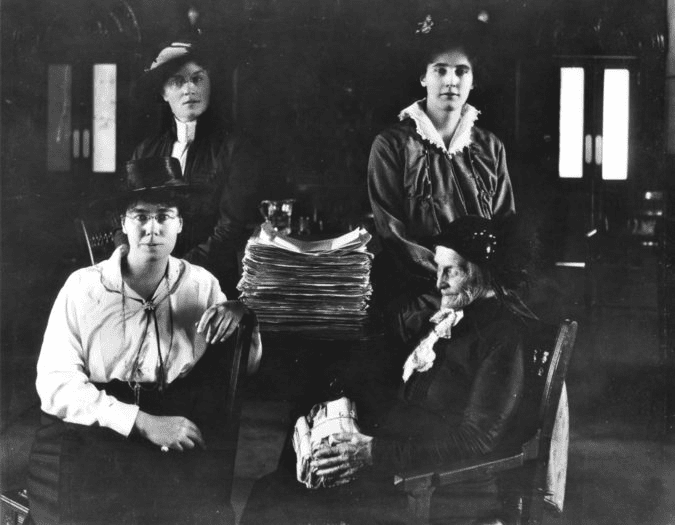
The Edinburgh Ladies’ Emancipation Society (ELES) is a prime example of such a group. The primary focus of its members’ activities was the abolition of slavery. This was a remarkably bold stance for women to take in that era.
ELES was a leading abolitionist society in Edinburgh during the 19th century, and the women associated with it were considered true heroines. Interestingly, ELES was formed as a later addition to organisations that had emerged in 1833, including The Edinburgh Emancipation Society.
A Schism in the Organisations
At the time, emancipation societies often invited like-minded speakers on extensive lecture tours across Britain. However, a schism emerged when some organisations chose not to associate with speakers from The British and Foreign Anti-Slavery Society (BFASS).
This division occurred due to the rise of a conviction that American slaves should be freed immediately, which split the British and American abolitionist movements. Edinburgh was among the cities that supported this radical idea. John Wigham of The Edinburgh Emancipation Society established a connection with the more radical movement, and it was his wife, Jane, and daughter, Eliza, who began to steer ELES in that direction.
Spreading the Importance of Abolition
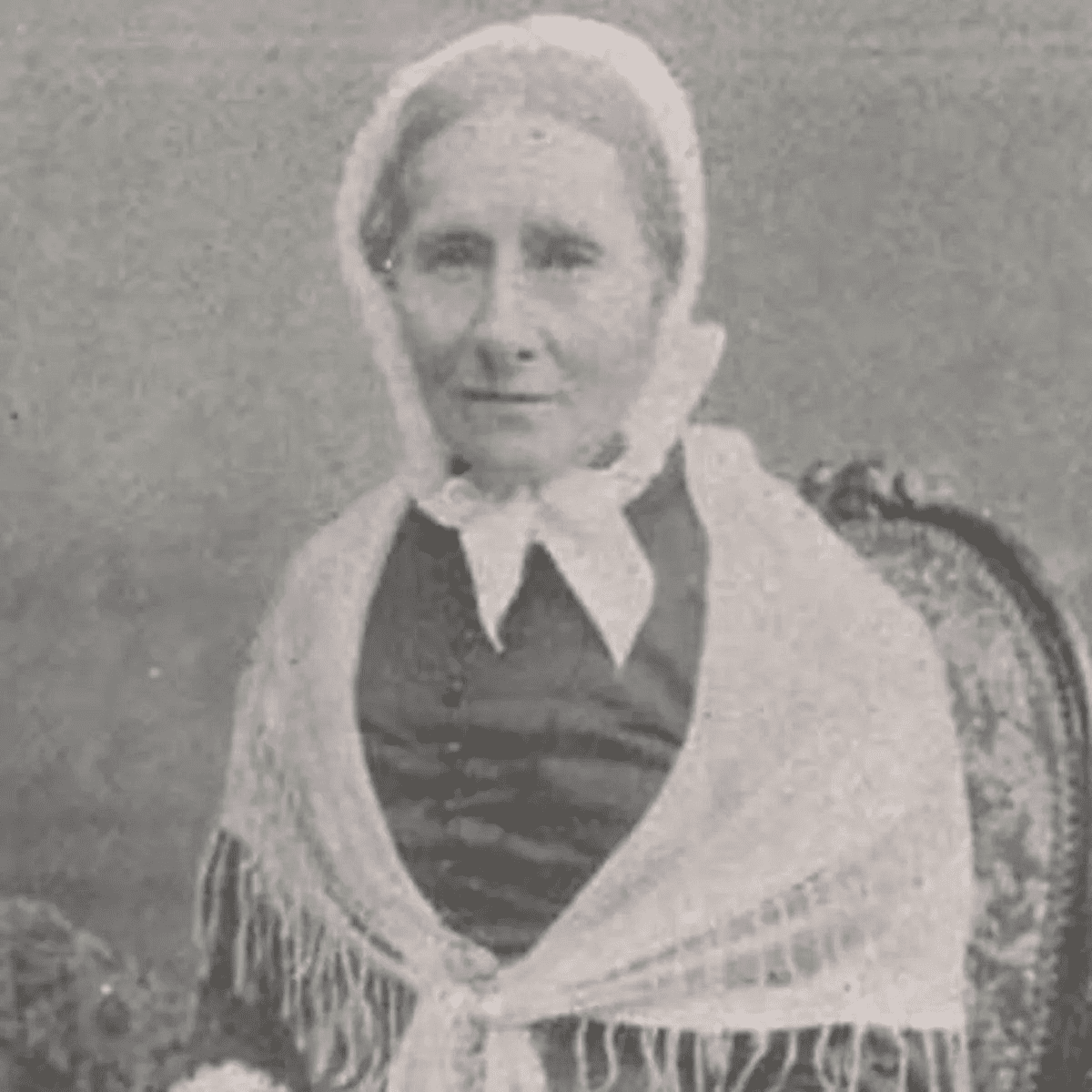
As the Society’s secretary, Eliza Wigham maintained a lively correspondence with leading abolitionists. She also forged close friendships with anti-slavery activists such as Wendell Phillips, George Thompson, and Frederick Douglass. Douglass, formerly an enslaved American, later came to Edinburgh to support the members of ELES.
In 1860, at the Society’s invitation, the abolitionist Sarah Parker Remond visited the Scottish capital. She delivered a lecture that caused such a sensation that the hall was filled to capacity, with an audience of over 2,000 people.
Searching for a Compromise
When ELES gradually began to distance itself from the idea of immediate emancipation for American slaves, Eliza and Jane were asked to leave. However, they both chose to remain as full members of the organisation.
At that point, the Society was attempting to find a middle ground between the radical idea of immediate freedom for America’s slaves and the more conservative position of the BFASS. It was the Wigham mother and daughter who championed the search for a compromise between these two viewpoints. Furthermore, Eliza even sent money to support the Underground Railroad, which helped smuggle enslaved people from America to safety in Canada.
A Resilient Society
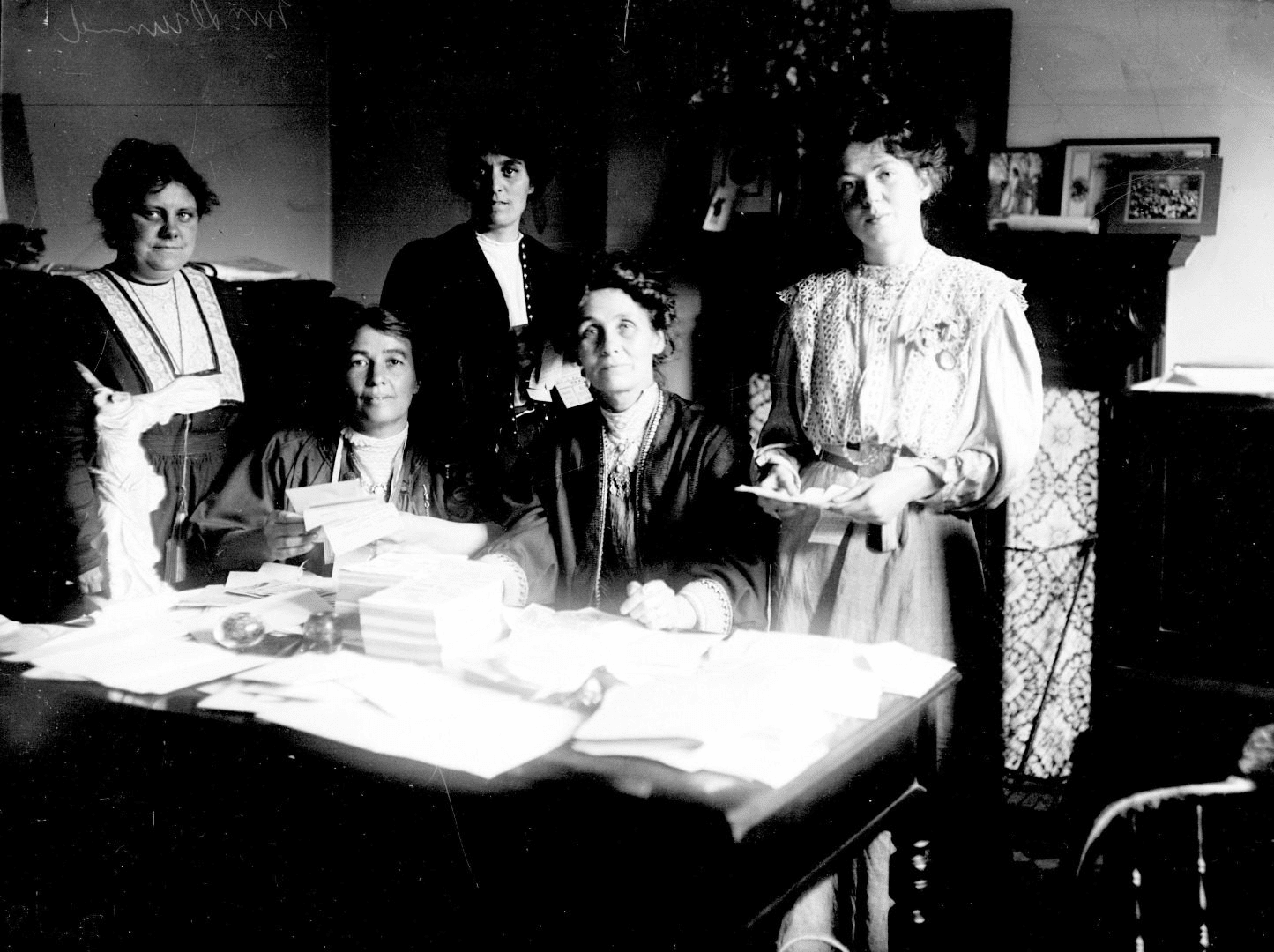
It is important to note that, compared to other anti-slavery organisations, ELES proved to be remarkably resilient, continuing its work well into the 1870s. This was largely thanks to the efforts of Jane and Eliza Wigham. It is safe to say that by choosing to stay, they extended the life of the Society.
Thus, ELES stands as an organisation that exemplifies female solidarity. It is an inspiring example that shows just how effective women can be when they work together. By defending their rights and championing the interests of society, these women demonstrated their deep commitment to the community in which they lived. Their motto was one of a development, progress, and freedom.
Despite the fact that ELES was active many years ago, the Society’s core beliefs and principles remain relevant today. After all, gender equality and the rights, freedoms, and interests of every individual are the fundamental values of any civilised nation. And it can be said with confidence that the women of Edinburgh were true pioneers in promoting these values.