

Culinary excellence is a pursuit that demands imagination, hard work, and persistence. Anyone looking to make their mark in this field must be prepared for a long haul. It is not just about blindly following basic instructions while dreaming of success; it requires a genuine commitment to mastering new skills and, crucially, gaining hands-on experience. Read more at edinburghka.
However, for those who navigate these culinary challenges, the rewards can be immense. The profession of a chef offers far more than just a job in a kitchen. It opens doors to entrepreneurship, whether that means opening a restaurant, launching a cookery school, starting a blog, or even publishing books. Since cooking is a passion for so many, there is never a shortage of eager students.
Influential Cooks
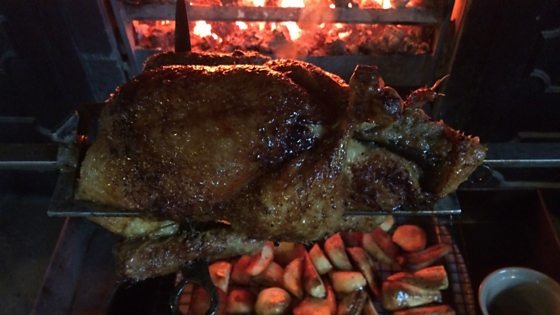
In many ways, cooking is an art form with endless specialities. A professional simply needs to find the niche that resonates most with them to fully express their talent.
Scottish history is full of examples where talented cooks became influential figures, wielding significant social weight.
One such figure was Susanna Maciver. She is remembered as a renowned cookery teacher and a prominent Edinburgh author.
The Woman Who Made Cooking Fashionable
Remarkably, Susanna lived in the 1700s, yet she successfully turned the public’s attention toward the culinary arts. She was so effective that people flocked to her classes with enthusiasm.
This popularity eventually led Maciver to run one of Edinburgh’s first cookery schools for women. In 1773, she published her seminal work, Cookery and Pastry as Taught and Practised by Mrs. Maciver.
In this book, she detailed a vast array of recipes and provided a rare look into the dining traditions of Scottish high society. Furthermore, the book offered a comprehensive guide to the etiquette of the day.
Specifically, it covered the complexities of proper table settings and the strict rules of service.
Unique Secrets from the Schoolroom
At her school, Susanna taught women the intricacies of domestic management, effectively turning a passion into a successful business venture long before such things were common for women.
Regarding her recipes, Maciver was incredibly generous with her knowledge. In both her classes and her book, she shared secrets for classic dishes, including an overwhelming variety of pies and puddings.
She even included a recipe for an early form of ketchup, which was considered a sensation at the time.
A Publication of Historic Importance
It is no exaggeration to say that Cookery and Pastry as Taught and Practised by Mrs. Maciver holds great historical value. Exploring the domestic details of past eras is fascinating, as everyday habits and traditions offer the clearest window into the values and lifestyles of the time.
The book vividly illustrates the social role of women in Georgian Edinburgh. Susanna also meticulously documented the manners and etiquette expected of the upper classes.
Ultimately, the book’s worth extends beyond vintage recipes and table settings; its pages provide a unique social history of the era.
Extraordinary Advice
Mrs Maciver was an exceptionally skilled cook who managed to run a school while researching ancient recipes. Many of these are quite remarkable, ranging from instructions for preparing haggies (haggis) and rabbit shoulders to lemon puddings. However, some of her techniques are quite startling by modern standards; for instance, she suggested soaking a shoulder or breast of venison in its own blood overnight.
The Art of the Table
Presentation was a major focus for Maciver. To help her readers, she included diagrams showing the correct way to set a table according to contemporary etiquette and logic.
This knowledge was vital for high society, where meals were served à la Française. This style involved serving several dishes at once, which were then replaced in stages. Consequently, hostesses were eager to learn exactly where each dish should be placed and how it should be garnished. As a culinary professional, Susanna shared these secrets freely, earning the gratitude of her many students.
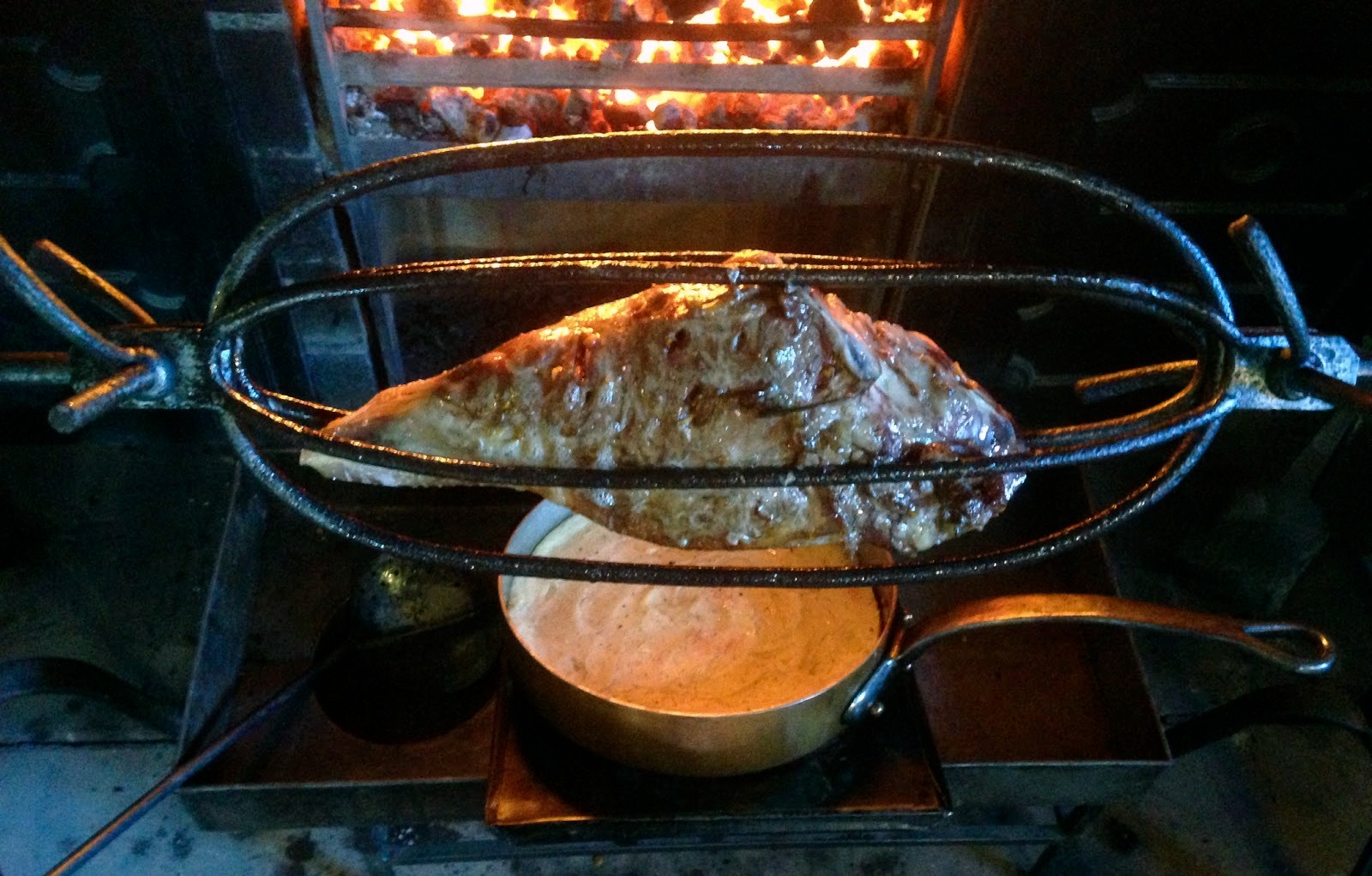
Susanna Maciver stands as a testament to how the culinary arts can provide more than just a career; they can become a life’s work that leaves a lasting legacy.
Her uniqueness lies in her preservation of traditional recipes that might otherwise have been lost to history.
Her detailed accounts of cooking and serving traditional dishes were not only useful to her contemporaries. Today, reading her work is like touching history itself. Every word offers a glimpse into the past, pulling back the curtain on the mysterious and captivating world of days gone by.