

The inherent nature of women often means they possess a rich imagination and a unique creative drive. This exceptional fantasy, along with the ability to conjure up not only a drama but also something far more useful out of thin air, sometimes dictates the career path a lady chooses. Read more on edinburghka.
Generally speaking, it is fair to say that women often excel at creative work, particularly writing. An impeccable sense of taste, a multifaceted imagination, and diligence allow them to create captivating novels or short stories. And that’s not even mentioning poetry, where the delicate soul of a poetess can be fully expressed.
Dame Muriel Sarah Spark was a perfect embodiment of these talents. A brilliant writer, short story author, essayist, and poet, she achieved success in every one of these roles.
Early Life
Muriel was born in her home city of Edinburgh in 1918.
The future writer received her education at James Gillespie’s High School.
During 1934–1935, Muriel took a course dedicated to précis writing at Heriot-Watt College, the historical precursor to Heriot-Watt University.
After finishing her education, she worked as an English tutor before taking on a secretarial role in a department store.
The Deceptive Calm of Family Life
The year 1937 marked Muriel’s engagement to Sidney Oswald Spark, a man 13 years her senior. The couple had met in Edinburgh.
The pair travelled together to Rhodesia (now Zimbabwe) in August 1937, where they married. In the summer of 1938, their son, Samuel Robin, was born. However, the apparent domestic bliss didn’t last. A few months after the birth, Muriel began to notice her husband’s strange behaviour. It was eventually discovered that he suffered from manic depression, which made him prone to violent outbursts.
These issues eventually forced Muriel to leave her husband in 1940 and send her son to a convent school. World War II had begun, and children were prohibited from travelling during such turbulent times.
Spark herself returned to Great Britain in 1944 and began working in intelligence.
Regarding her child, it is worth noting that Muriel regularly sent money for her son’s upkeep.
However, when Robin grew up and formed his own views and passions, the relationship between mother and son became quite strained. This tension persisted until Spark’s death, and she took steps to ensure her heir received nothing from her estate.
A Career in Editing
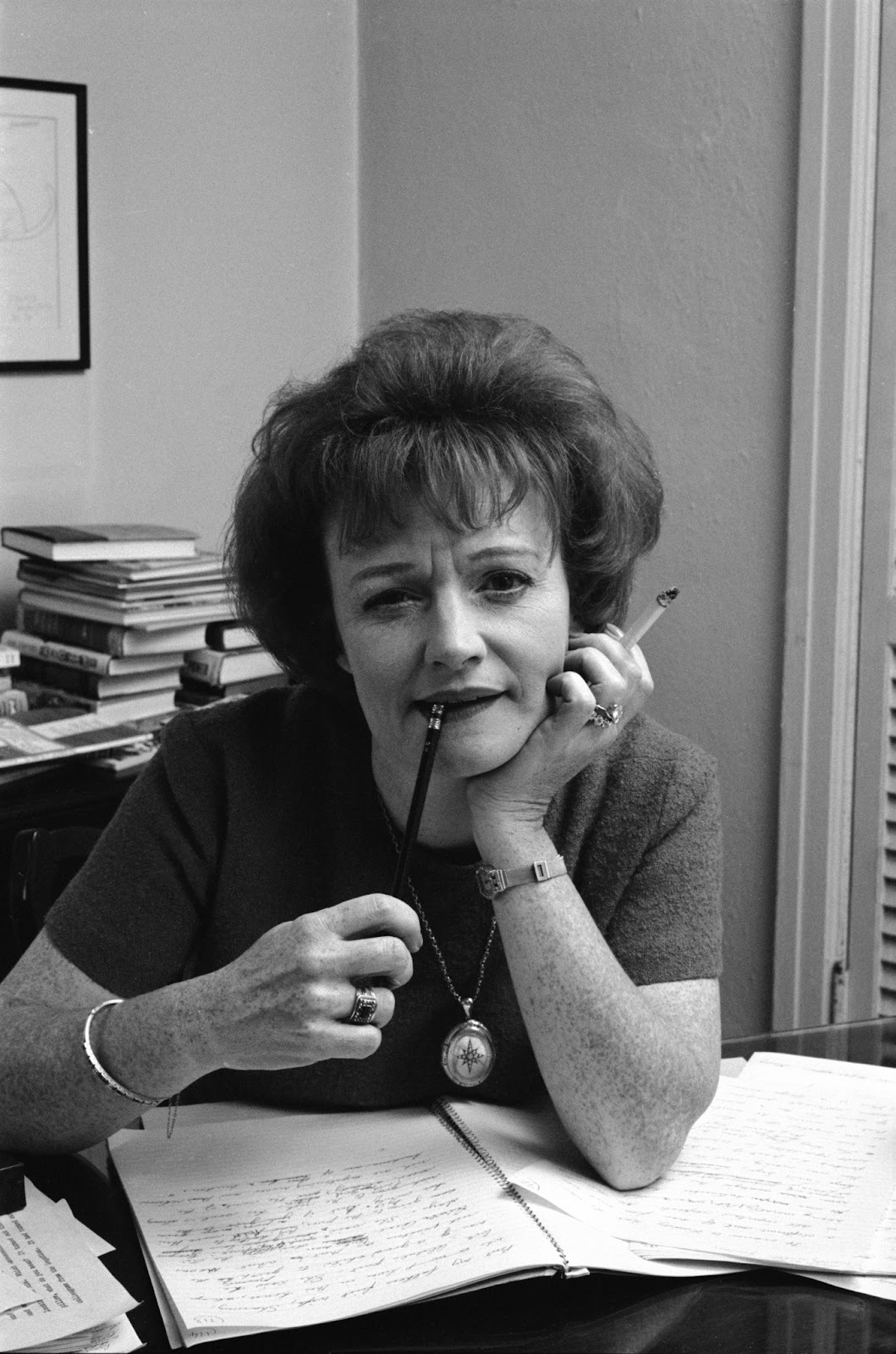
Muriel’s literary career began to take off in earnest after the war. She debuted with poetry and also contributed to the literary world as a critic from time to time.
In 1947, she secured a significant new role, becoming the editor of Poetry Review magazine. Interestingly, at that time, Muriel was one of the few women to hold such an editorial position.
Religion: A Key Catalyst for Her Writing Career
Spark left Poetry Review in 1948, and the events that followed would have a noticeable impact on her subsequent career.
In 1953, Muriel was baptised into the Church of England, but only a year later, she made the decision to convert to Roman Catholicism. It was this conversion that Spark credited with providing a special framework for her development as a writer.
Intriguingly, Muriel’s contemporary, Penelope Mary Fitzgerald, later remarked that it was only upon becoming a Catholic that Spark was able to grasp human existence more accurately. This insight is, of course, crucial for any novelist.
The Debut Work
Muriel’s first novel, The Comforters, was published in 1957 and was highly praised by critics.
It is no surprise that the writer touched upon Catholicism in the book, though the primary focus of the novel is a young woman who suddenly realises she is a character in a literary work.
An Original Authorial Device
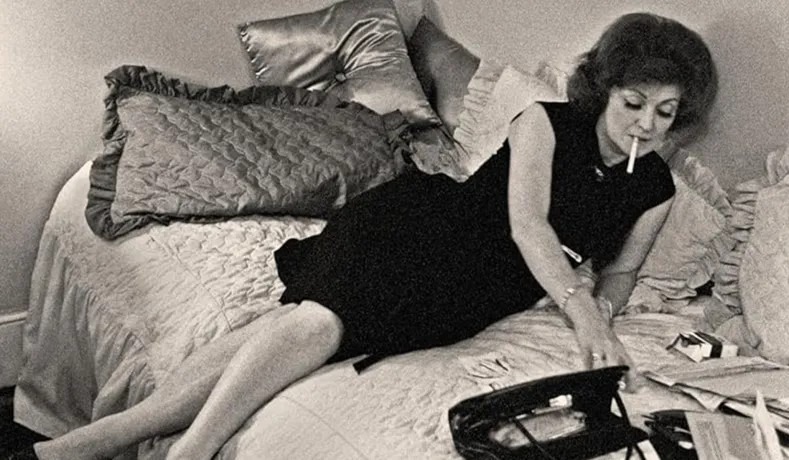
Spark’s novel, The Prime of Miss Jean Brodie, was released in 1961. This work achieved even greater success and is widely regarded as the best in her literary legacy.
The writer infused the work with striking features, notably the originality of its theme, the overall tone, and the imagined dialogues.
The novel features prototypes of heroes and events from Muriel’s own life. This specific characteristic certainly played a key role in the work’s success.
In fact, Spark grew very fond of using the prototype technique and continued to implement it in her later works, such as the 1963 novella The Girls of Slender Means.
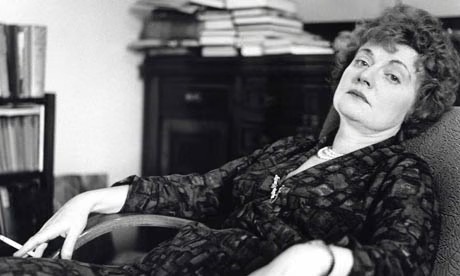
Thus, Muriel Sarah Spark established herself as one of the most distinctive and vibrant Scottish writers. With her unique style, she effortlessly brought astonishing human destinies to life on the page, often weaving fictional stories with real events from her own past.
All in all, she was an extraordinary personality, and perhaps only such a person could have created such captivating and original works.