

When you visit Edinburgh for a festival or another cultural event, the first thing you often notice is the Scottish national dress – the kilt. It always looks smart and formal. Every detail plays an important role in the overall composition and has its own history. The entire kilt outfit would be incomplete without ghillies – the footwear that forms part of the traditional attire. In modern Edinburgh, you can not only see ghillies but also buy a pair of these traditional shoes for yourself. More on edinburghka.
The Origin and Construction of Ghillies
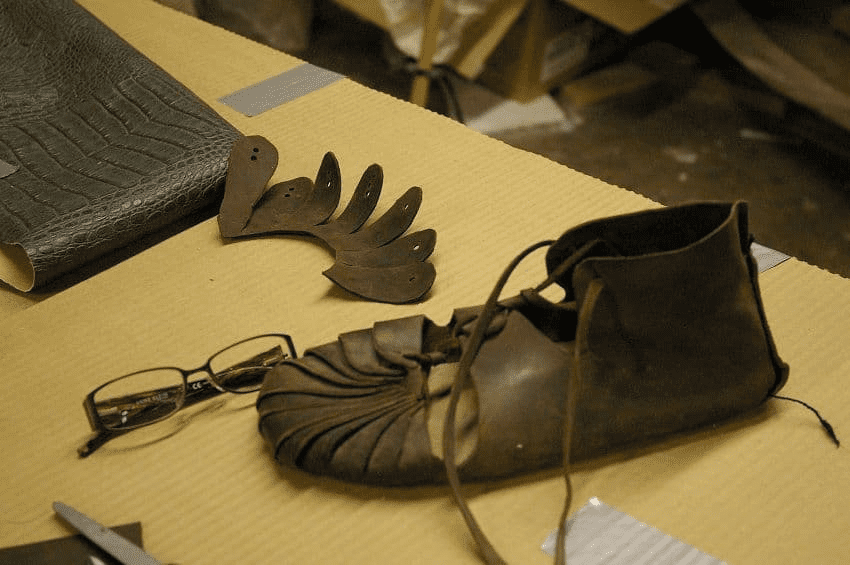
Ghillies are the traditional footwear of the past, not just for Edinburgh but for Scotland as a whole. This type of shoe was popular among Scottish Highlanders and Irish farmers. The first written records of ghillies date back to 1542. The design of these Scottish shoes is somewhat reminiscent of ballet pumps – a flat, soft sole, a rounded toe, and high lacing. In the past, they were made from a single piece of rabbit skin, or on rare occasions, calfskin. The edges of the leather were stitched together with leather laces, for which special loops were made. Ghillies would envelop the entire foot and were secured by tightening the laces, which were tied halfway up the calf. They were always dyed black.
Ghillies have an interesting feature: perforations on the front section. Thanks to these numerous holes, the shoes were well-ventilated and dried quickly. If the owner happened to walk through boggy ground and get their feet wet, the water would not stay trapped inside. In Scotland’s natural environment, ghillies were comfortable and practical. According to some records, a single pair could last for about a month with daily wear, and as we know, people had to do a great deal of walking in the past.
The Transformation of Ghillies
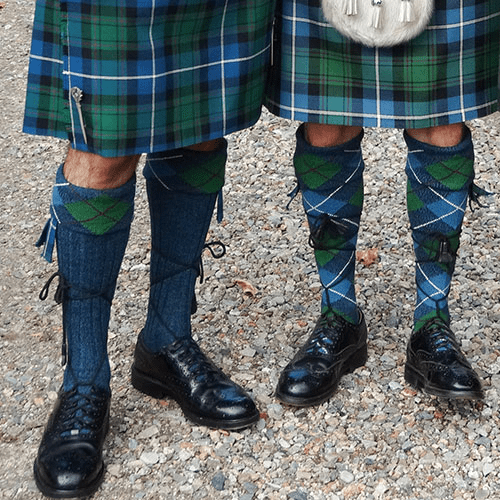
Over time, the ghillie underwent some changes. In the 17th century, a “new version” appeared: the ghillie brogue. A small heel was added to the flat sole, making the shoe sturdier and more suitable for hunting and fishing. Tassels were also added to the ends of the leather laces, giving the ghillie a more refined look. Ghillie brogues were also made from rabbit and calfskin. They were worn over high woollen socks, known as hose. The lacing was also high, reaching almost to the top of the socks, and had to end in a bow that faced forwards.
In the early 18th century, ghillie brogues began to be worn by aristocrats. Footwear made for such wealthy clients was more decorative than practical. The perforation became part of the design – some shoemakers arranged the holes in exclusive patterns and even managed to punch symbols for good luck into them.
The Modern Story
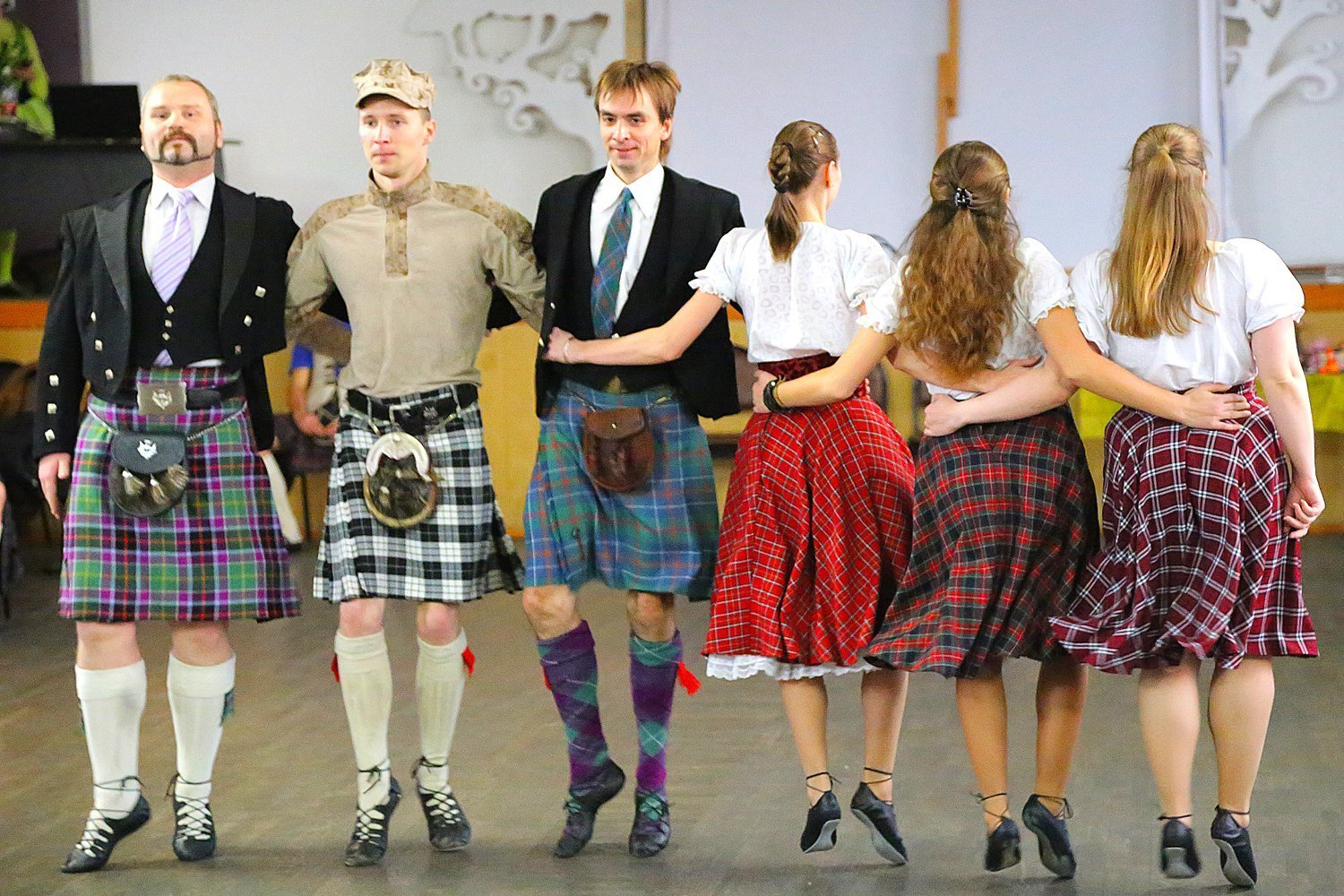
Today, it is rare to see anyone wearing ghillies or ghillie brogues in everyday life. However, on the streets of Edinburgh, this traditional Scottish footwear can still be seen during holidays and festivals when people dress up in traditional clothing.
There are also several places in the Scottish capital where you can not only look at ghillies but also touch them and even purchase a pair. To do so, you should visit:
- The National Museum of Scotland – Here, you can learn about the history of not only ghillies but the entire national costume, as well as get acquainted with the culture and traditions of Scotland.
- The Royal Mile – This central street is home to numerous souvenir shops where you can buy ghillies, either for yourself or as a gift for someone.
- Edinburgh Castle – When historical and cultural events are held here, you can come dressed in a traditional costume, including ghillies, and feel like a real Edinburgh resident from the past. Costume hire services are available for this.
Edinburgh frequently hosts dance festivals and competitions. The folk dances are performed in traditional costumes with some modern design touches, and the footwear is the traditional soft-soled ghillie. This is always a wonderful opportunity to see the national dress and footwear, as well as to enjoy Scottish music and dancing.