

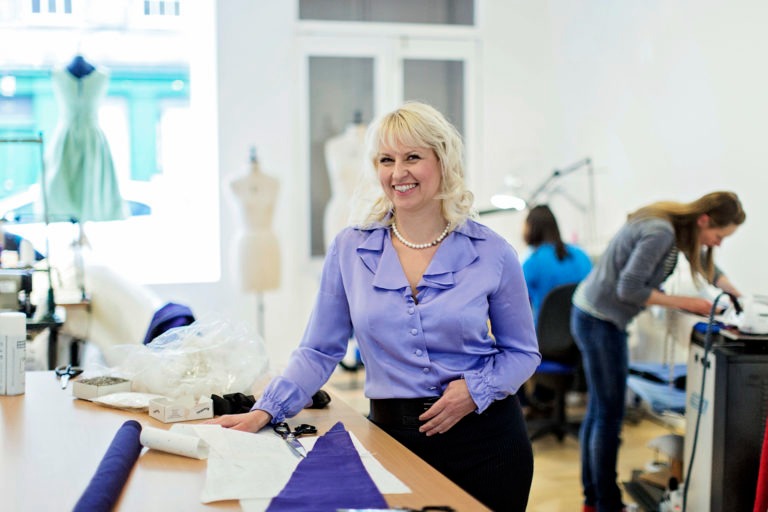
There is a special moment when a woman walks into an atelier and touches the fabric, unaware of the gown it will become. The air is filled with a sense of calm, carrying the scent of a hot iron and new dreams. It is here, amid patterns, threads, and light, that the magic begins. Mette Baillie believes that clothing is a way of speaking without words. In her hands, ordinary fabric begins to listen to the body, sensing the client’s rhythm, mood, or even her silence. More at edinburghka.
This article explores the creation of exclusive bespoke gowns at Freja Designer Dressmaking, based in Edinburgh. You will learn the details of the entire process: from the first meeting and sketching the design, to seeing the newly finished garment in the mirror. We will delve into the designer’s philosophy, where respect for the individual, the material, and time takes precedence over fleeting trends.
The Origins of the Craft
From childhood, Mette was instinctively drawn to design. She would spend hours sketching elaborate outfits for her dolls, enthusiastically copying the designs of the iconic Mary Quant. Her creativity truly blossomed at the age of nine. With her mother’s help, the young girl sewed her first outfit: a skirt and a waistcoat featuring a striking, sparkly back.
In her teens, these experiments became more daring. She began making her own clothes – sometimes bold, other times, she felt drawn to more modest designs. It wasn’t just her practical skills that were improving, but also her intuitive feel for the “language” of fabric.
She continued her education in Copenhagen, where she gained invaluable experience in pattern cutting and construction while working at a local fashion house. Later, armed with a powerful combination of skills learned at home and professional expertise, she moved to Edinburgh. Around 1998, Mette founded the atelier Freja Designer Dressmaking, offering an alternative to the impersonal, mass-produced market for wedding and evening gowns.
The Birth of the Silhouette
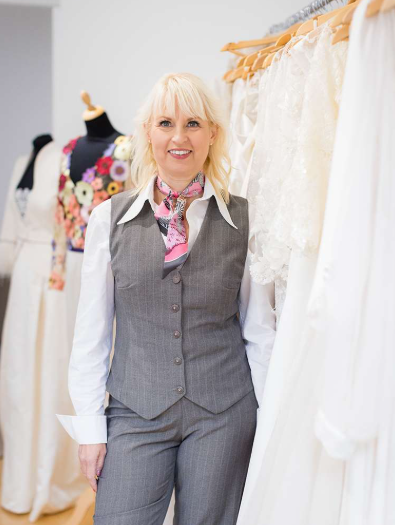
Baillie sees a unique story in every client, making the first consultation the foundation of the entire project. This time is dedicated to deeply understanding their vision, lifestyle, expectations, and, most importantly, their sense of comfort. Mette asks countless questions: where will the event take place, how much movement will be involved, and are there any areas they wish to conceal? The key goal of the conversation is to build an atmosphere of complete trust and co-creation, where any desire can be voiced and heard. The Danish native is often quoted in publications saying, “We build your dress together,” reinforcing this collaborative principle.
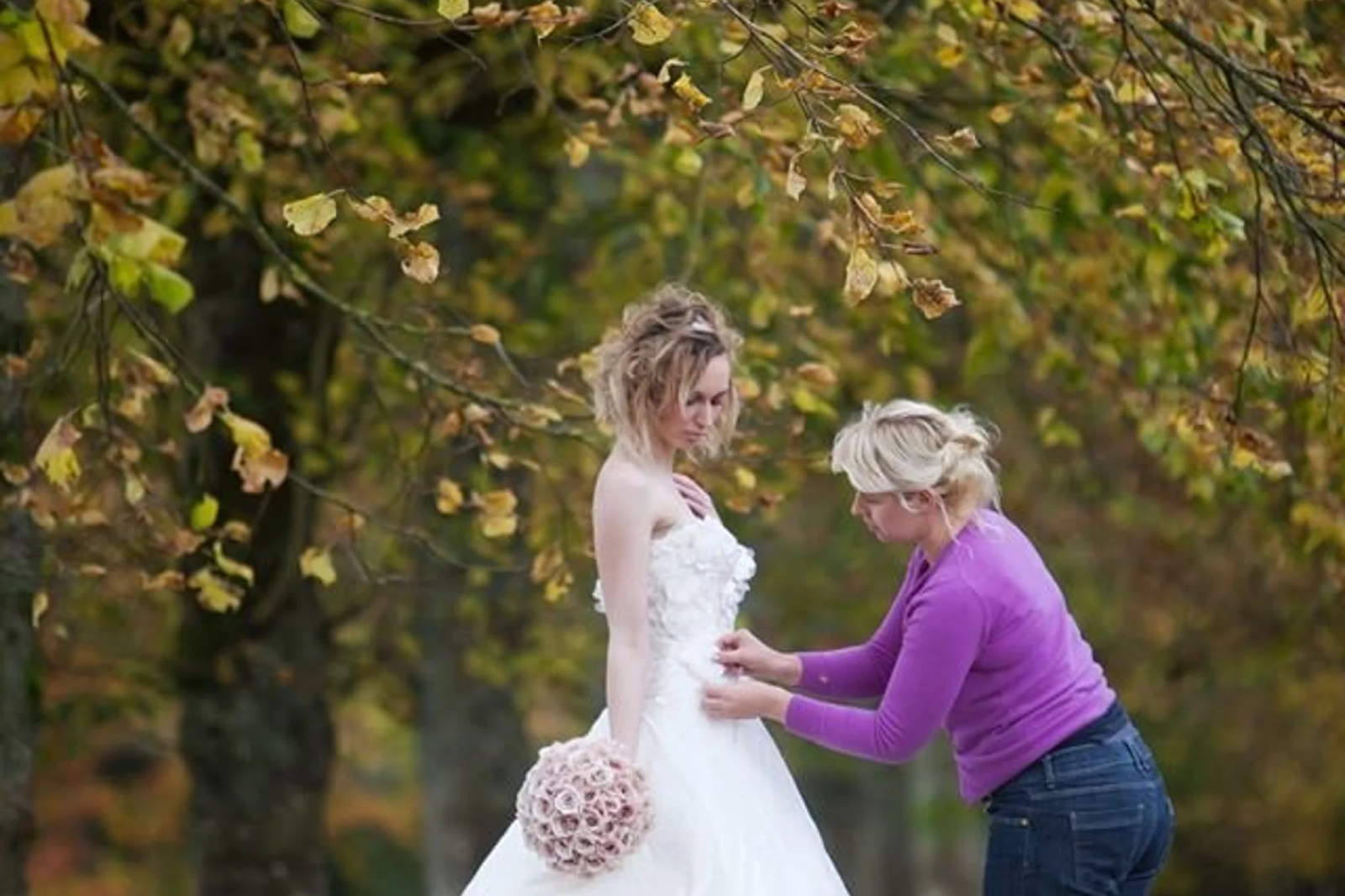
Once a shared vision is formed, the stage of absolute technical precision begins. Mette employs an incredibly detailed measurement process. In addition to standard parameters, she records the precise shoulder lines, the angles of the back, and the lengths and volumes required for a comfortable fit. Before any expensive silk or lace is cut, her team creates a “cotton toile” – a full-size mock-up of the garment from cotton canvas. The client attends several of these fittings, and only after every detail has been perfected is the final fabric touched. This process minimises risks and prevents the waste of precious material.
The Precision of the Cut
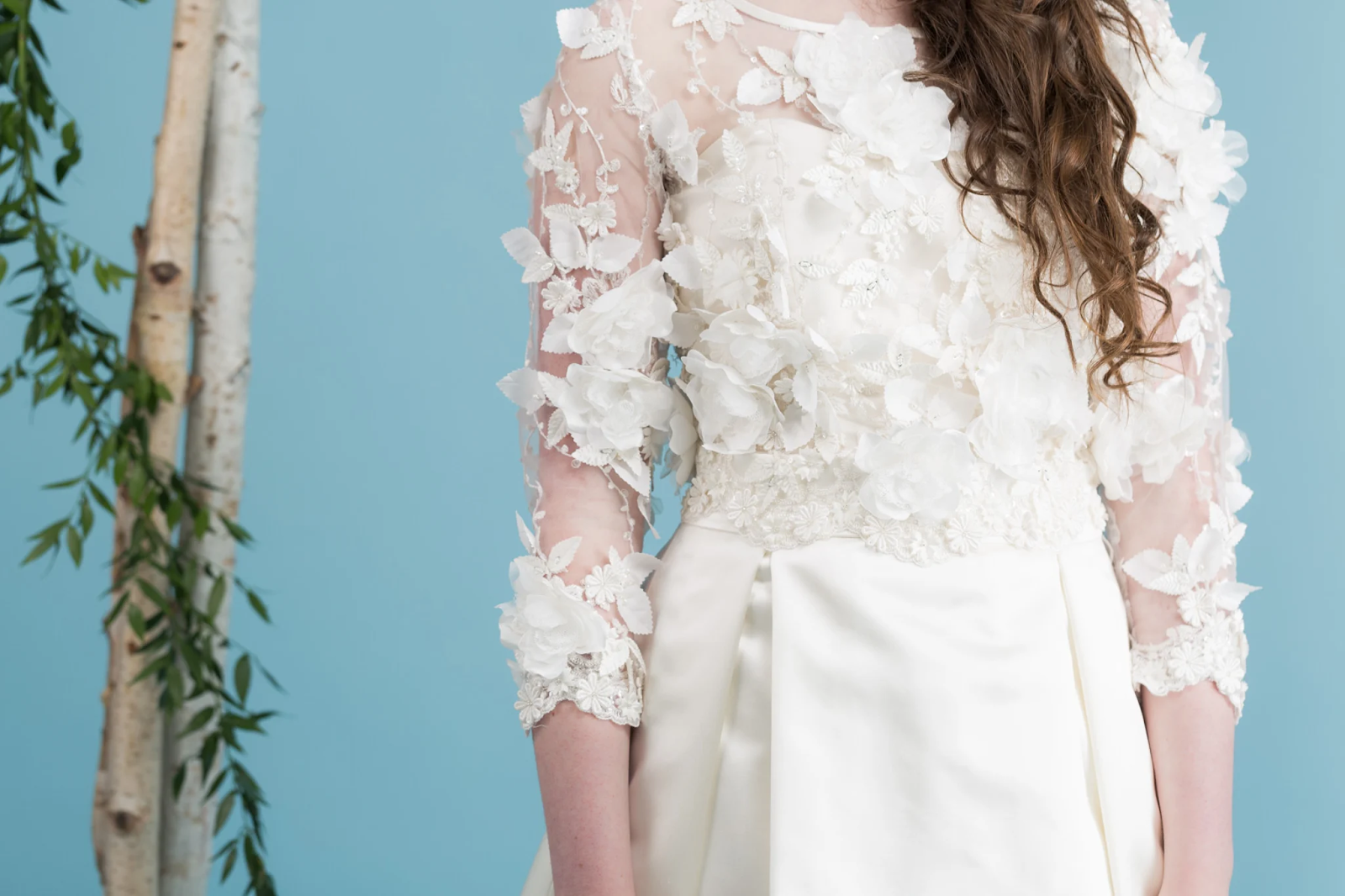
Most observers note that Mette gravitates towards natural fibres, as they “age beautifully”: natural silk, weightless organza, flowing chiffon, and textured jacquard fabrics. The influence of her native Scandinavian aesthetic is clear—she values lightness and space within the construction. In parallel, all the necessary fittings are selected, from concealed fastenings and silk linings to internal structural elements, with each component carefully assessed for its aesthetic functionality.
Next begins one of the most crucial stages: cutting the fabric. Baillie’s team works in sections, deliberately leaving generous seam allowances on the pattern pieces. The seams are also basted with future adjustments in mind. This foresight allows them to tailor the fit gradually, sculpting it perfectly to the body. They also check for any potential unwanted puckering or creasing, allowing them to rectify any issues instantly.
A significant portion of the work is done by hand: sewing in support structures, finishing darts, turning the hem, and attaching decorative elements. Hand-stitching provides an elasticity that a machine simply cannot replicate.
True Resilience
In 2018, Mette Baillie was faced with a serious diagnosis: an aggressive form of breast cancer. It was here that her incredible dedication to her craft truly showed. She made the extraordinarily difficult decision to postpone a stage of her treatment so she could personally complete her clients’ orders. There was a significant risk of neuropathy, a side effect of chemotherapy that could have permanently damaged the sensitivity in her hands—a couturier’s most essential tool.
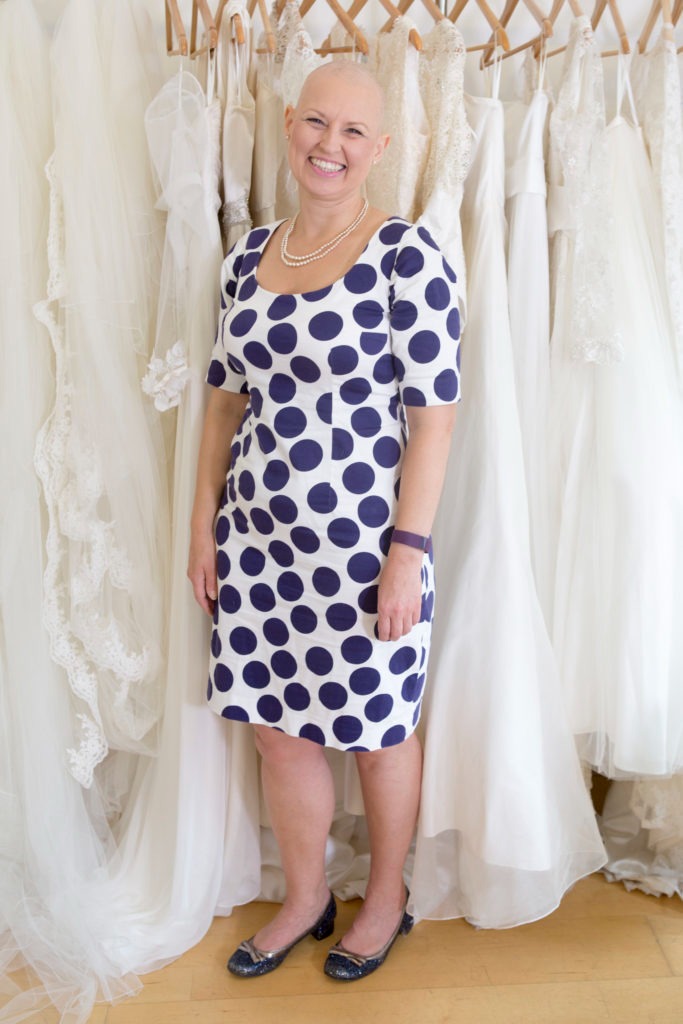
Her dedication was soon rewarded with official industry recognition. Her atelier has repeatedly won the prestigious Scottish VOWS Awards for Best Designer. Today, the designer continues to share her experience, actively blogging and teaching other craftswomen the complex art of balancing business, health, and unshakeable personal resilience.