

Edinburgh has always been a city of contrasts: the notoriously chilly climate set against the warm atmosphere of its pubs, ancient stone walls juxtaposed with the glass façades of modern quarters, and the bustling noise of Festival streets giving way to the quiet of evening squares. This blend of opposites inevitably creates a unique rhythm, one that locals seem to absorb and express instinctively. Most often, this phenomenon is visible in their attire. Edinburgh residents masterfully blend practicality with polish, pairing cool-headed rationality with subtle aesthetics. More on this fascinating style evolution can be found on edinburghka.
This article aims to explore the key trends shaping contemporary Scottish fashion: from the necessity of layering to bold designer statements. We will also highlight the enduring influence of the city’s ancestral heritage and the work of local brands.
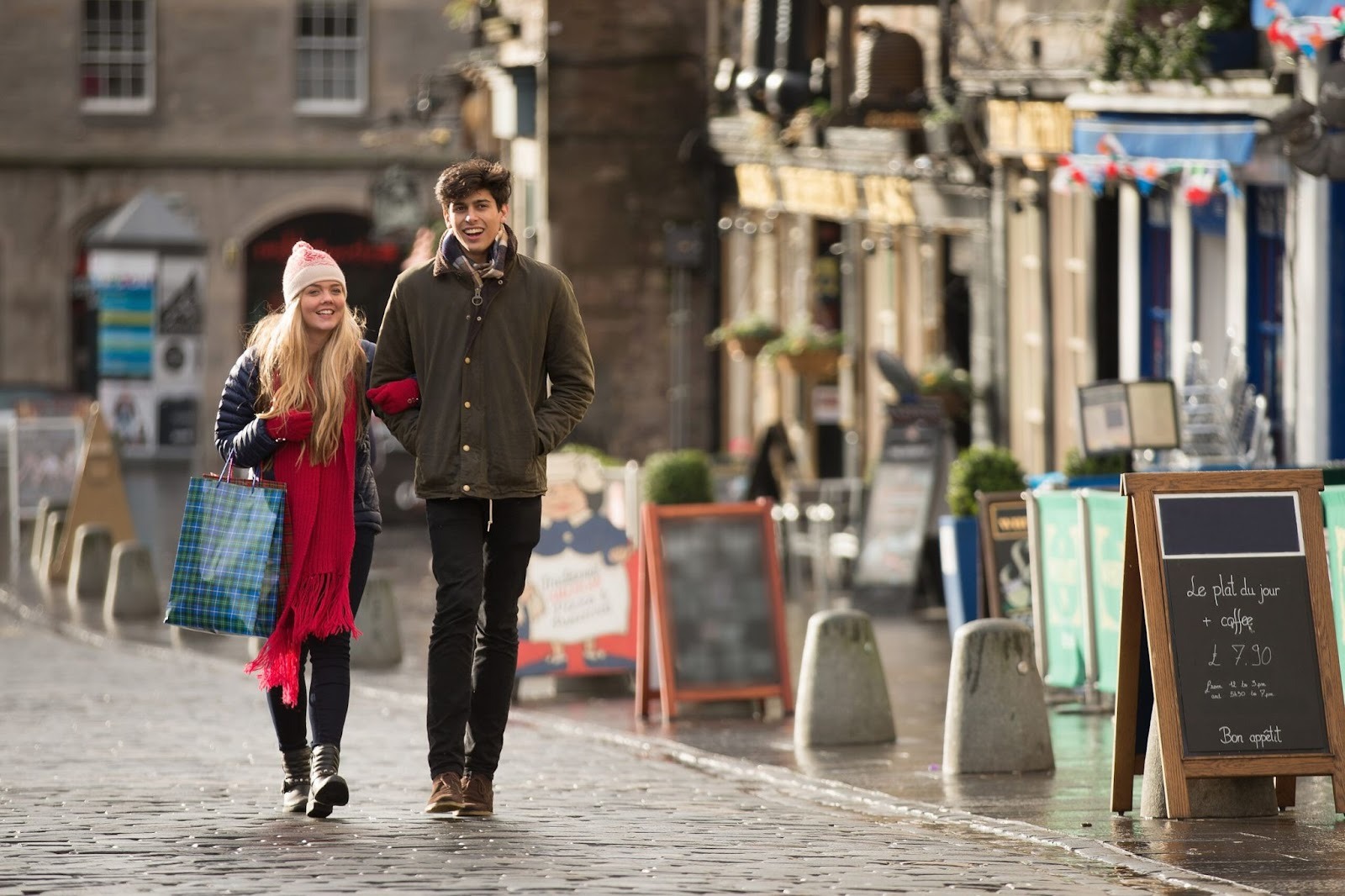
The Roots of the Style
The capital’s location, perched on its seven hills and carved up by a labyrinth of narrow closes (alleyways), creates a truly unique microclimate. When you find yourself among the towering stone façades—which act like genuine wind tunnels channelling the northern gusts—your understanding of style instantly shifts. The biting cold, sudden squalls, and famously fickle weather demand that the marriage of form and function takes absolute precedence.
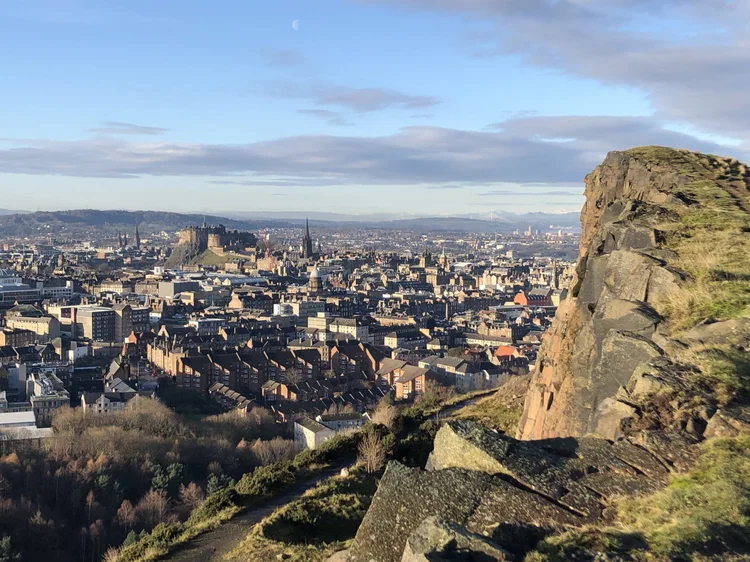
For centuries, Scottish fashion has relied on materials capable of withstanding harsh temperatures—think heavy wool, tweed, and dense fabrics. Today, these elements aren’t worn as historical costumes but act as a kind of subconscious cultural fingerprint. For instance, tartan has become part of the modern urban conversation: it appears in complex textures, structured coat cuts, and deep, sophisticated shades, demonstrating that tradition is very much alive. The Anatomy of the Modern Look
Today, Edinburgh’s sartorial signature is an open book, and the primary chapter is outerwear. Residents learned long ago that since they spend most of the year in their “coat,” it simply has to be impeccable. While we touched upon material choices above, the architectonics of the garment deserve a closer look. Long hems are the most popular choice, providing the best possible defence against the wind’s sheer force. Voluminous collars or deep hoods are essential, capable of keeping the entire look composed and coherent even in the most challenging weather.
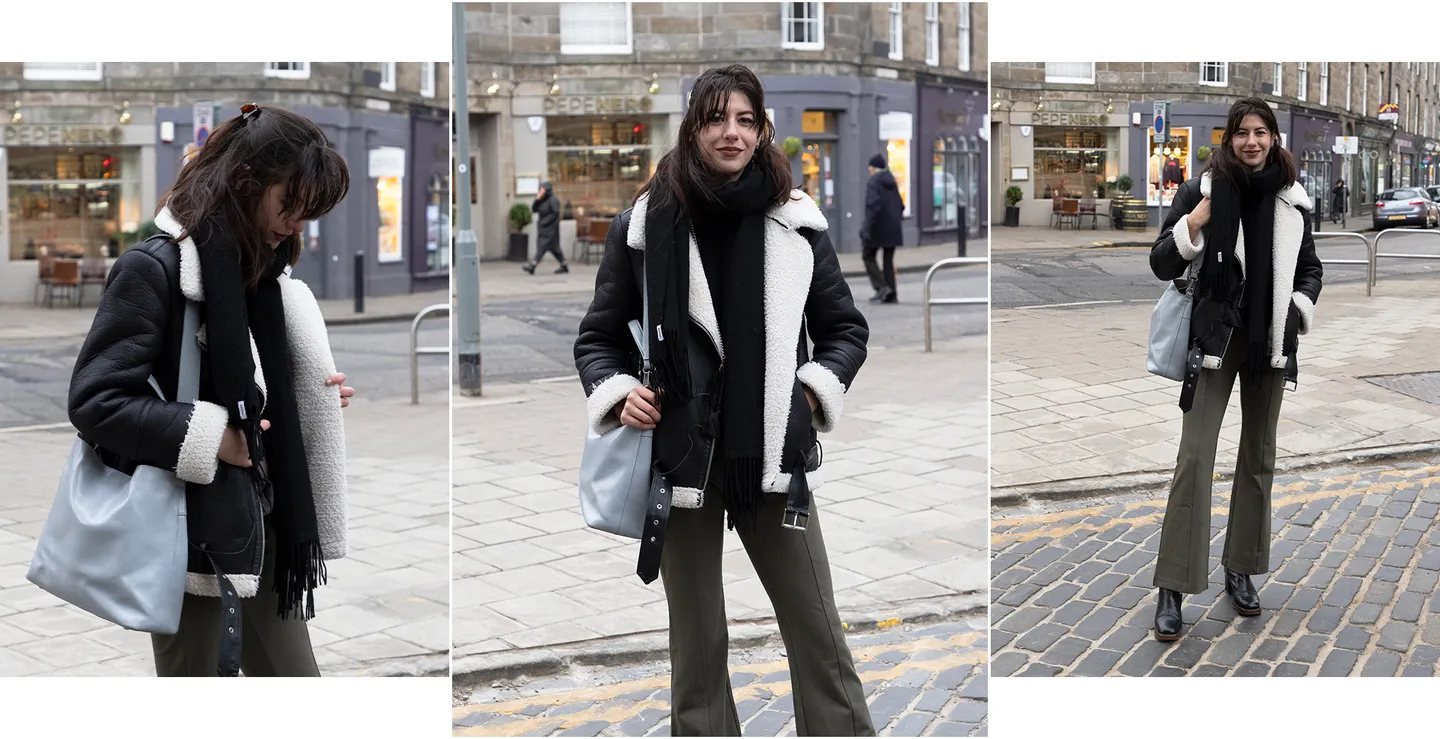
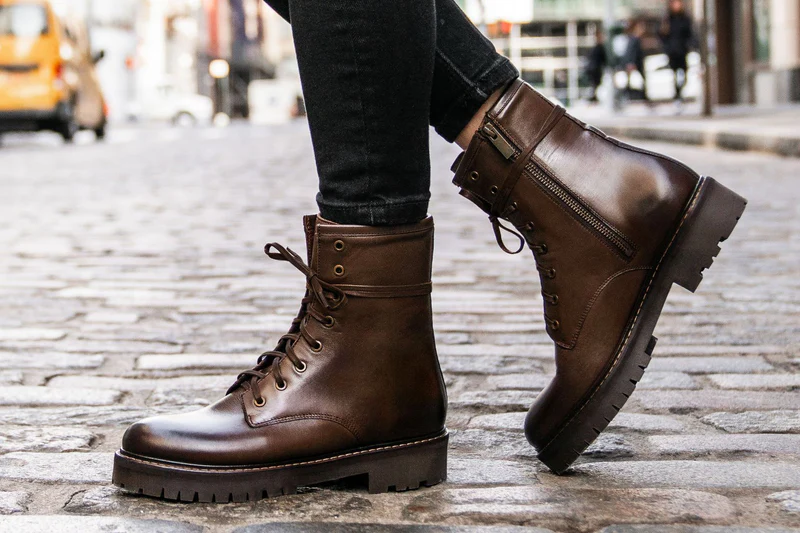
Footwear and accessories serve as the vital details that lend the outfit its spirit of completion. Edinburgh’s cobbled streets and hilly terrain are unforgiving, so the choice of boots is invariably functional and robust. It’s hard to imagine a typical stroll around the slopes of Arthur’s Seat without chunky-soled combat boots or sturdy hiker models. Some visitors see them as a symbol of preparedness for any turn of events. This inherent pragmatism is balanced by accessories: scarves, woolly hats, and gloves become the key tools for self-expression. Interestingly, many of these items aren’t new. Thanks to the city’s thriving vintage shop culture, the attire of Edinburghers often looks like it’s steeped in history.
And how is the colour palette evolving? The capital is steeped in the restrained, neutral shades of grey, rich black, navy blue, and brown. However, this “northern sobriety” can also be expertly offset by vibrant accents. A sense of subtle defiance is demonstrated through the play of textures: a rough knit might sit alongside smooth leather, while careful inlays add depth. Motifs like tartan (or a Prince of Wales check) appear delicately, underscoring the wearer’s discerning taste.
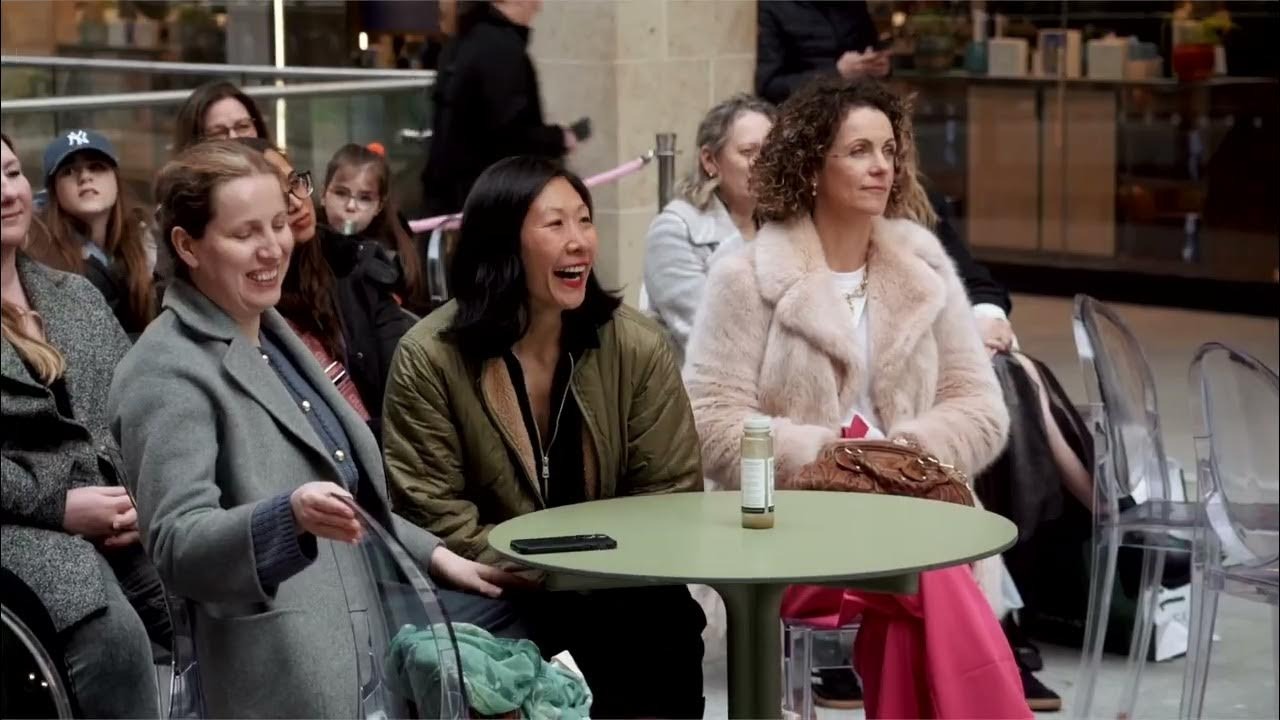
If we briefly mention the traditional touch, it is fully integrated here. What does that mean? Fur collars or skirts featuring tartan elements are often styled with an unstudied, effortless look that can be utterly baffling to tourists—it’s the local’s way of making tradition feel completely modern and personal.