

When thinking about Scotland, the first images that come to mind are kilts and tartan scarves. These clothing items, which appeared in Scottish wardrobes centuries ago, remain integral to today’s fashion trends in Scotland. Edinburgh vividly embodies these unique combinations. Only here can you find incredible designer outfits crafted according to the latest fashion trends yet beautifully infused with traditional Scottish motifs. What was fashion like in Edinburgh’s past? How did it evolve into today’s trends? These and other fascinating details are revealed in this article from edinburghka.
A Look into the Past
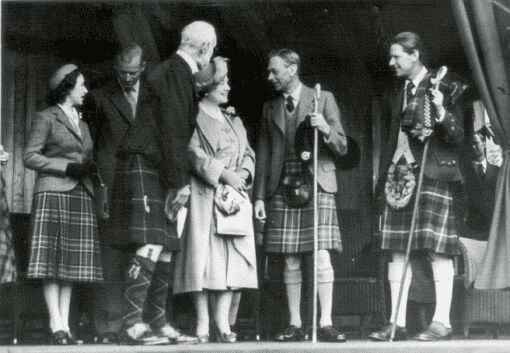
In today’s world, fashion is shaped by people’s desires and tastes, but in the past, “fashion” as we understand it didn’t really exist. Instead, there was simply the necessity for particular items. Something was considered “fashionable” if it was practical, durable, and could be made from local materials. For example, warm scarves, socks, and gloves became common among Scots many centuries ago. Historical sources indicate that scarves were worn by Edinburgh residents as early as the 3rd century AD. Scotland’s climate is cool and damp, and although temperatures rarely dip below freezing, exposed limbs and necks still require protection. Since sheep farming has long been widespread in Edinburgh, wool became the primary material for staying warm. Naturally, these garments were everyday clothing in earlier centuries, whereas today such widely used items would be termed “trendy.”
The traditional checked pattern has its own intriguing history. Woolen fabric known as tartan became the primary material for traditional Scottish clothing—such as the wrap-around cloak known as the “Great Kilt” and the shorter kilt. The fabric structure was ideal for Scotland’s weather: it provided warmth during cooler periods without becoming uncomfortably hot. The colours and patterns of tartan were linked to the Scottish clans inhabiting certain areas. Depending on the availability of natural dyes and wool types, finished products had specific colours. For example, alder bark produced black dye, fern produced yellow, rock lichen made red, and blueberries provided blue. For centuries, one could identify a person’s place of origin in Scotland by the colour and pattern of their clothing.
In 1822, King George IV visited Edinburgh and famously declared, “Let everyone wear their tartan.” As a result, an extraordinary variety of patterns appeared. All tartans were officially owned by 11 Scottish clans and registered in Edinburgh.
Modern “Scotch Check”

With the expansion of trade, traditional Scottish tartan conquered global markets with its practicality and beauty. Since the early 18th century, this checked fabric has become known as “Scotch check” (“plaid”), and it has never gone out of fashion since. Queen Victoria further popularized tartan fabric among royal circles at the beginning of the 20th century.
As mentioned above, Scots deeply respect the association of specific tartan patterns with their clans. In 1950, Donald Stewart even developed a registration system for tartan patterns. Each checked pattern received a unique “sindex,” combining letters and numbers denoting colour and thread count. Today, almost anyone can create and register their own tartan in Edinburgh, dedicating it to a special event, a person, or a city.
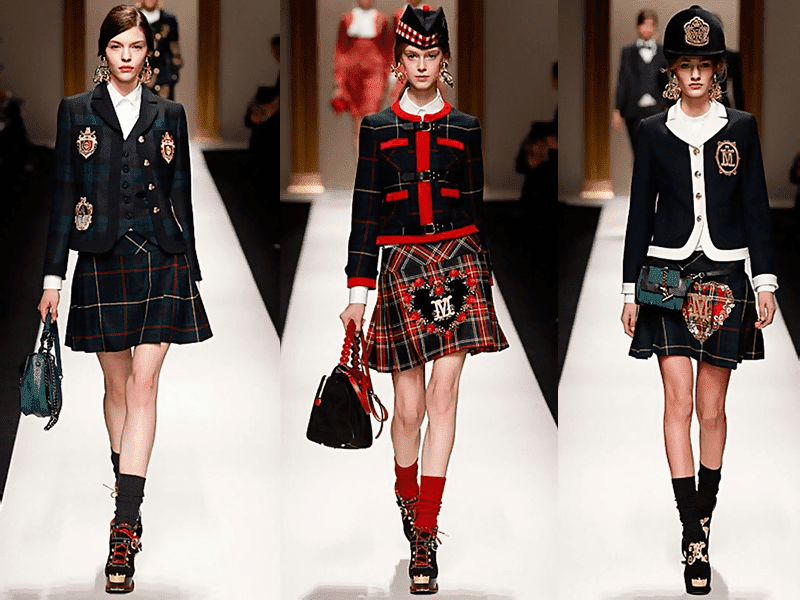
Beyond traditional clothing, Edinburgh offers a wide array of modern fashion brands. To maintain a contemporary and fashionable look, the city features numerous clothing stores suitable for every budget. Many boutiques and showrooms offer exclusive women’s clothing at affordable prices. Additionally, Edinburgh hosts major annual fashion events, such as shows by internationally renowned brands like Dior.
Observing fashion in Edinburgh, it’s striking to see how its residents, like Scots in general, cherish and carefully preserve their traditions.