

Edinburgh can proudly boast of a wealth of talented individuals born there throughout the years. It truly deserves the title of the “cradle of talent,” as many of its natives have gone on to become highly respected and notable figures across various fields. Edinburghka will tell you more.
Jemima Wedderburn Blackburn is one of them. This woman managed to reveal her talent in the field of painting, with the main theme of her works focusing on rural Scottish life in the 19th century. Such illustrations formed the basis of Jemima’s creative endeavors.
Early Years and Family
The future artist was born on May 1, 1823, in Edinburgh.
Jemima’s family could be the subject of an entire book, as many of her relatives were important and influential figures. For instance, her great-grandfather, John Wedderburn, was executed in 1745 for participating in the Jacobite rebellion.
As for Jemima herself, she studied under John Ruskin and Edwin Landseer, maintaining close friendships with both of them.
Her husband, mathematician Hugh Blackburn, and Jemima settled in Roshven in 1854. Over time, many notable figures who were friends of the couple visited their home.
The Artist
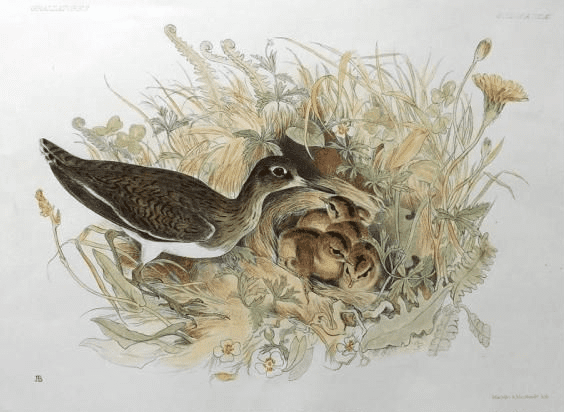
When it comes to Jemima’s artistic work, it is important to note that her paintings primarily depicted the local nature, birds, and animals.
In particular, when it came to birds, no one could match her skill in their portrayal. Jemima meticulously observed every detail in the birds’ behavior and then successfully transferred it to paper.
It’s also worth noting that Jemima’s early works were often created with ink. Later on, as her passion for art grew, she began successfully experimenting with watercolors.
Another distinctive feature of her artistic work was her use of collages. She would cut out the contours of birds and place them against colorful backgrounds. The result was vibrant, beautiful, and unique.
Book Illustrations
A true testament to Jemima’s talent was her involvement in the creation of several books (27 in total). She was entrusted with the important role of illustrator, and she performed it brilliantly.
Exhibitions
1857 was a breakthrough year for Jemima. It was the year she was invited to participate in the first exhibition of contemporary British art in America.
However, her paintings were frequently exhibited in her hometown of Edinburgh as well. This allowed local residents and visitors to the city the unique opportunity to get a closer look at the works of this remarkable woman.
Most Famous Work
In 1868, Jemima made another bold statement about her talent when her book Birds Drawn from Nature was published.
The book was immediately highly praised by both the public and critics. It is a collection of illustrations by Jemima, with each bird depicted in all its beauty.
What’s more, Jemima even accurately portrayed the colors and behaviors of the birds.
Later, a copy of the book, hand-colored under Jemima’s careful supervision, was presented as a gift to The Zoological Society of London.
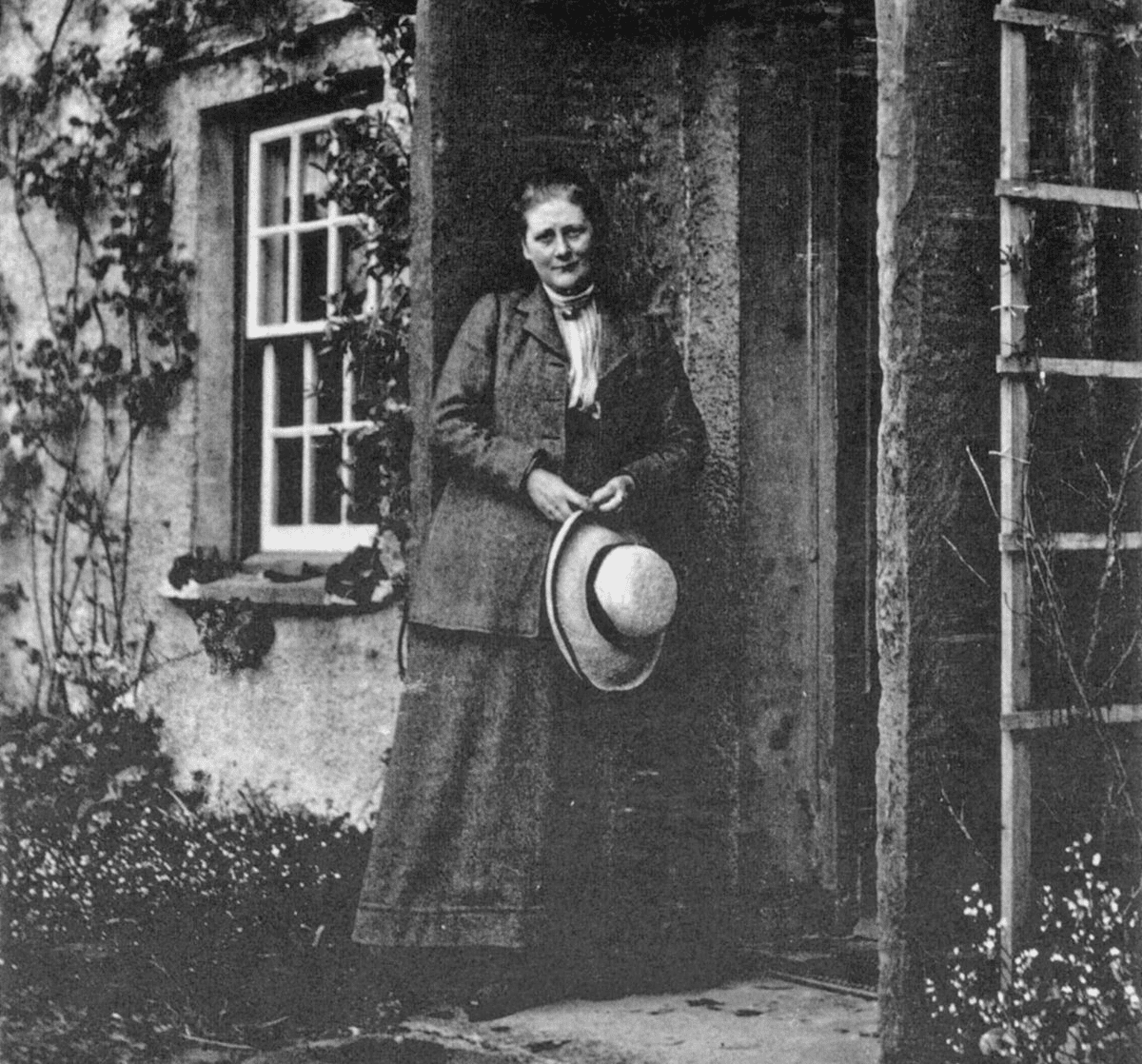
Interestingly, Beatrix Potter, who also gained fame for her illustrations of domestic and wild animals, was an admirer of Jemima’s work from a young age.
When Beatrix was 10 years old, she received Birds Drawn from Nature as a gift. The joy it brought her was immense. It’s no surprise that the illustrations of Blackburn had a significant influence on Beatrix’s later work. As an adult, Beatrix spoke of Jemima as a sharp observer with an acute eye for the beauty of nature.
In 1894, fate gifted Beatrix a unique opportunity to meet her idol. Jemima visited Putney Park, where Beatrix’s relative lived. The experience left a profound impression on Beatrix, who later admitted that the encounter with the artist had truly amazed her.
Jemima Blackburn is a unique example of a woman who truly “made” herself. Her talent and incredible attention to detail regarding all living things are truly enviable. The skill and meticulousness with which she depicted birds made her works something extraordinary.
Even scientists recognized the accuracy and naturalness of Jemima’s illustrations. When it came to the “stars” of her paintings—birds—every detail was portrayed with remarkable precision. This trait later earned her recognition as a master, with exhibitions that left visitors in awe.
And returning to where we began, it’s fair to say that Jemima embodies the endless “giftedness” of Edinburgh, just like many other natives of this remarkable city, which rightfully deserves to be called the “cradle of talent.”